Introduction
Missing teeth can hurt more than just your looks. They affect your confidence, speech, ability to chew, and the health of your jawbone too.
Fortunately, there are many contemporary dentistry techniques that can be used to replace missing teeth; implants from dentistry are still the most dependable option available.
When researching the different types of dental implants, many patients also come across treatment options such as all-on-4 dental implants, all-on-6 dental implants, and all-on-8 dental implants. While these solutions share the same goal of restoring smiles, each option serves different needs and oral conditions.
Knowing the types of dental implants allows you to select an option that is best for your health. This guide will review popular choices of implants as well as the advantages of each and ways dentists assess which one is right for each person.
What Are Dental Implants?
Before discussing the various types of dental implants, it is important to understand what they are.
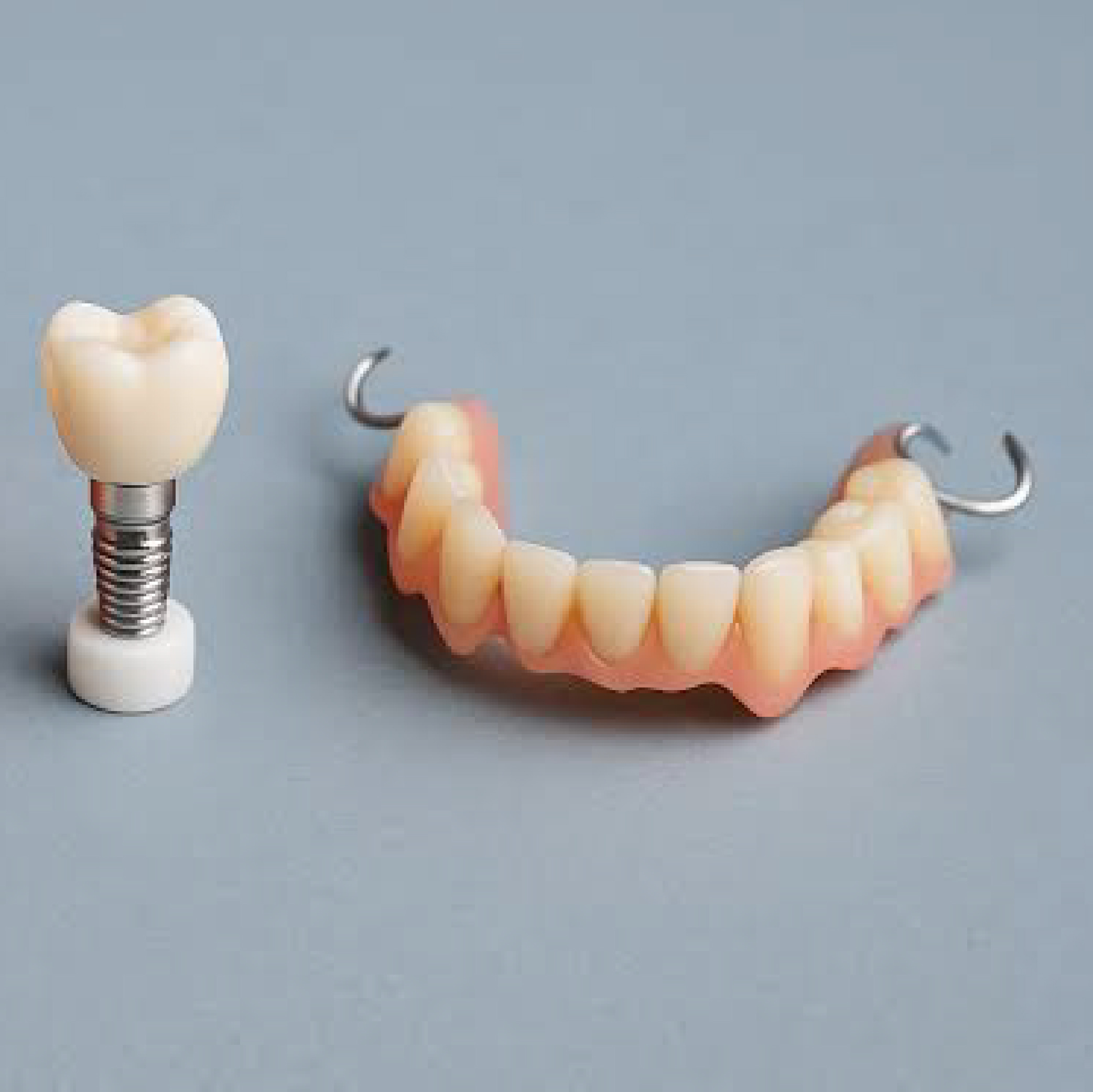
A dental implant is a titanium/zirconia post that is surgically inserted into the jawbone to replace the root of a tooth that has been lost. The implant then becomes integrated with the bone and serves as a secure base for a crown, bridge, or full-arch restoration.
Another reason for the recent rise in popularity of the various types of implants is that they function and look like real teeth. Unlike removable dentures, dental implants will not move and cause damage to your jawbone, and they will also assist in holding your jawbone in place.
Why Dental Implants Are So Popular
Many patients opt for implants since they offer benefits that conventional methods of tooth replacement are simply unable to deliver.
Some of the key benefits include:
- You can eat more effectively
- Better speech
- This procedure helps maintain the bone
- Long-lasting results
- Increased self-confidence
- Providing a more comfortable experience than removable dentures
The wide variety of types of implants allows dentists to customize treatment based on each patient’s oral health, bone density, and smile goals.
Endosteal
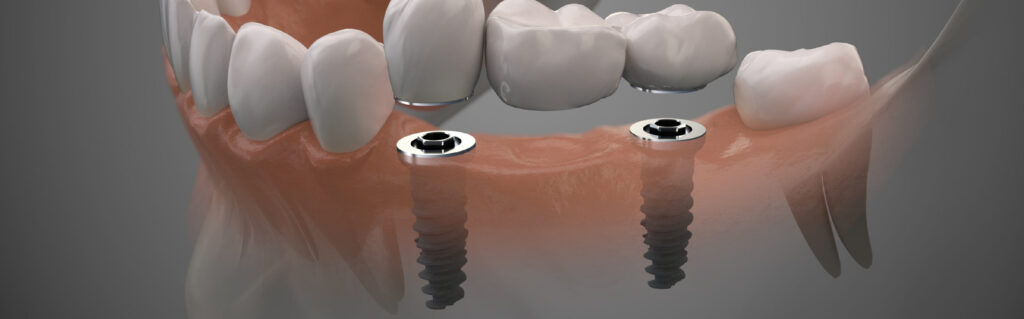
When it comes to dental implants, endosteal implants are certainly the most frequently used type. These implants fit directly into the jawbone and can be characterized as having screw-like qualities. Patients will receive an abutment and restoration after healing has occurred.
If a patient has a good volume of bone and healthy gums, an endosteal implant is the most appropriate type of dental implant. These types of implants are generally regarded as the most stable form with high percentages of success; thus, they are commonly referred to as the ‘gold standard’ for dental implants.
Subperiosteal
The subperiosteal Dental Implant is another type of Dental Implant. Instead of being inserted into the bone of the jaw, these implants are put on top of the jawbone and under the gum. These implants work well for patients who have a lot of bone loss but cannot receive a bone graft.
Although less common today, subperiosteal implants remain one of the recognized types of dental implants for specific clinical situations.
Zygomatic
Implants that are placed into the zygomatic (cheek) bone are a type of implant that has been developed for use in people with severe loss of the upper jaw bone, and are a form of dental implants. These are referred to as zygomatic implants. Unlike traditional dental implants, which are placed directly into the upper (maxillary) jaw bone, these are placed into the zygomatic bone of the face.
Because the procedure is more complex, zygomatic implants require specialized training and expertise. However, they can provide life-changing results for patients who may not qualify for conventional types of dental implants.
Single-Tooth Implants
When only one tooth is missing, a single implant may be the ideal solution.
A dental implant is placed at the site of a missing tooth to support a single crown, giving the patient the opportunity to restore their smile while not damaging any adjacent healthy teeth. The most common type of dental implant is the single-tooth implant. Single-tooth implants are a very conservative and “natural” way to replace your missing teeth.
The final result closely resembles a natural tooth in both appearance and function.
Implant-Supported Bridges
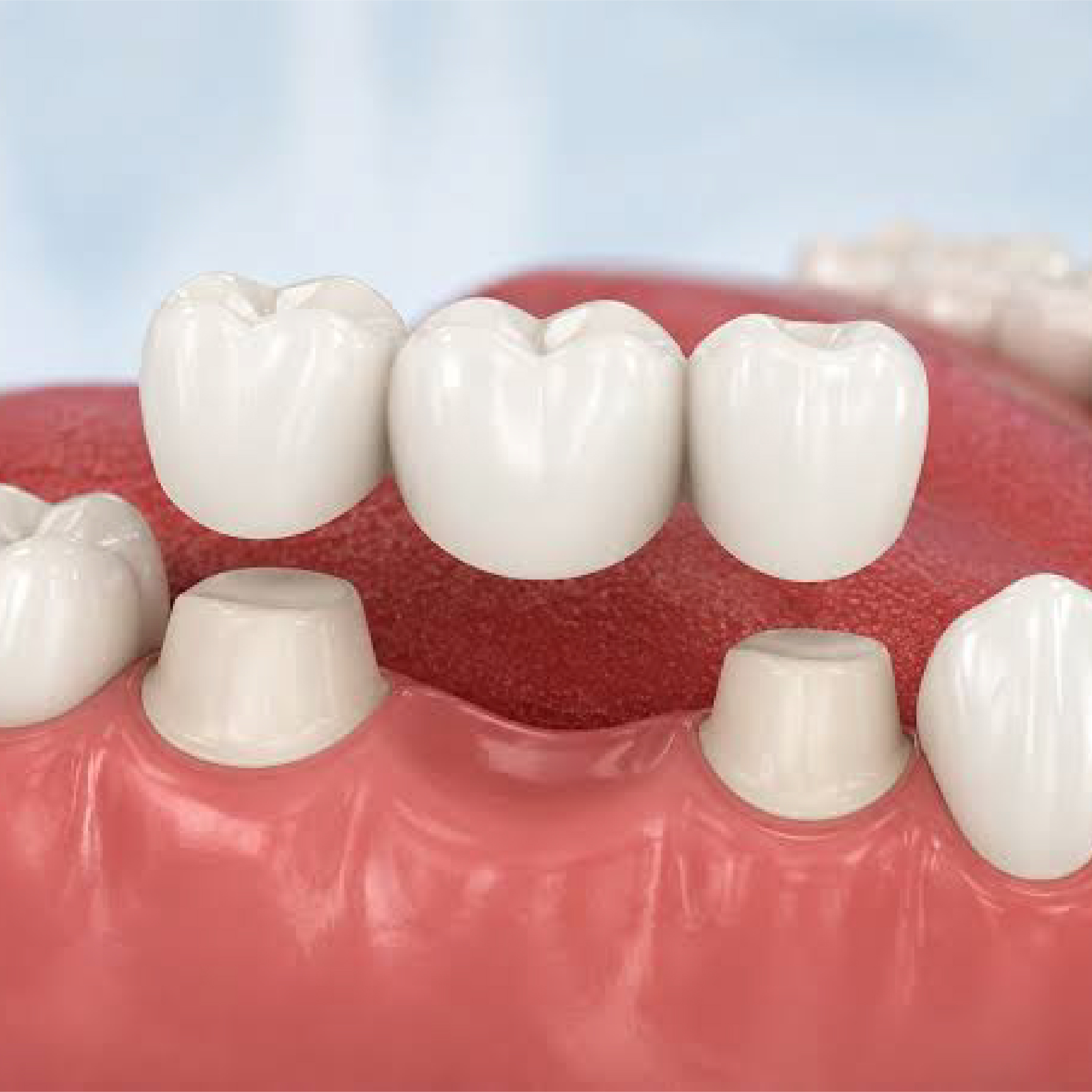
Patients missing several adjacent teeth may benefit from implant-supported bridges.
Instead of placing an implant for every missing tooth, strategically positioned implants support a bridge that replaces multiple teeth.
Among the available types of dental implants, this option often provides a balance between stability, functionality, and cost-effectiveness.
Implant-supported bridges also help distribute biting forces evenly throughout the jaw.
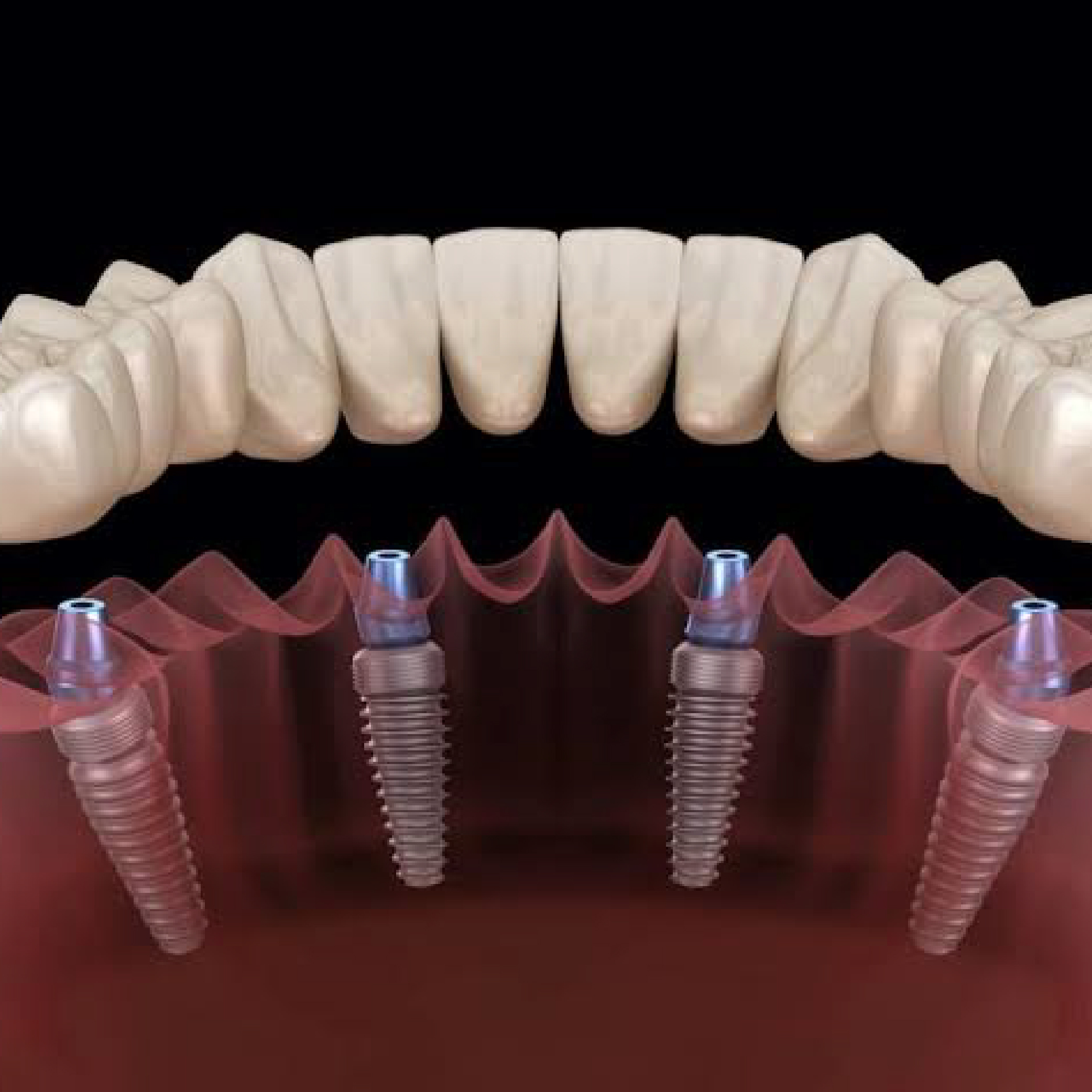
All on 4
One of the most popular full-mouth restoration options today is all on 4 dental implants.
This technique uses four strategically placed implants to support a complete arch of replacement teeth. It is especially beneficial for patients who have lost most or all of their teeth.
Many people choose all on 4 because it often reduces the need for extensive bone grafting while providing excellent stability.
When comparing different types of implants, this option is frequently recommended for patients seeking a fixed full-arch solution with fewer implants.
All on 6
Another highly effective option is all on 6 dental implants.
This treatment uses six implants instead of four to support a full arch of teeth. The additional implants provide increased support and distribute chewing forces more evenly.
Patients with adequate bone volume may benefit from all on 6 because of the added stability they offer.
Among the various types of dental implants, this approach is often selected for individuals who want enhanced durability and long-term support.
All on 8
For maximum support, some patients may qualify for all on 8 dental implants.
This treatment uses eight implants to secure a complete arch restoration. The additional implants create exceptional stability and strength, making it suitable for patients with sufficient bone density.
Many dentists consider all-on-8 one of the most robust full-mouth rehabilitation options available.
Compared to other types of implants, this solution can provide outstanding support for patients with strong jawbone foundations.
How Dentists Choose the Right Implant Option
Not every patient should be treated using the same methods. Many things contribute to the decision of which type can be most suitable.
These factors include:
- Number of missing teeth
- Bone density and volume
- Gum health
- Overall medical history
- Lifestyle habits
- Budget considerations
- Expected results of treatment
Whether a patient needs traditional implants or solutions like all-on-4, all-on-6, or all-on-8 dental implants, a comprehensive evaluation is essential.
The Dental Implant Process
Although treatment plans vary, most types of dental implants follow a similar process.
The journey typically begins with a consultation and digital imaging. Your dentist evaluates your oral health and develops a personalized treatment plan.
Next, the implant is placed surgically into the jawbone. During healing, the implant fuses with the bone through a process called osseointegration.
After healing is complete, the final restoration is attached. Many patients are surprised by how comfortable and natural modern types of dental implants feel after treatment.
Caring for Dental Implants
Proper maintenance is essential for the long-term success of all types of dental implants.
Good oral hygiene habits include:
- Brushing twice daily
- Flossing regularly
- Attending routine dental checkups
- Avoiding tobacco products
- Following professional cleaning recommendations
With proper care, many types of dental implants can last for decades, making them a valuable investment in oral health.
Are Dental Implants Worth It?
For many patients, the answer is yes.
The various types of dental implants offer benefits that extend beyond aesthetics. They help preserve jawbone health, improve oral function, and restore confidence.
While the initial investment may be higher than some alternatives, the long-term advantages often outweigh the costs.
Because different types of dental implants can address a wide range of dental concerns, they remain one of the most trusted tooth replacement solutions in modern dentistry.
At Grace Dental Clinic, we want you to have an everlasting, healthy, and confident smile. Under the care of Dr. Khattari, patients receive professional consultations, individual treatment, as well as some sophisticated dental work tailored to meet your specific needs.
Whether you are considering dental implants or exploring other restorative options, our team is here to guide you every step of the way and take care of your smile with expertise and compassion.
Conclusion
Selecting the best dental implant treatment begins with identifying which types of dental implants will best suit you. Whether you need a single implant, an implant-supported bridge, or full-mouth restoration options such as all-on-4 dental implants, all-on-6 dental implants, or all-on-8 dental implants, modern dentistry offers highly effective treatments tailored to your needs.
The best types of dental implants depend on factors such as bone health, the number of missing teeth, and your long-term goals. A detailed consultation with an experienced dental professional can help determine the most suitable option for your situation.
By learning about the different types of dental implants, patients can make informed decisions that support lasting oral health, improved function, and renewed confidence. With today’s advanced techniques and materials, dental implants continue to transform smiles and improve quality of life for people around the world
References:
https://my.clevelandclinic.org/health/treatments/10903-dental-implants