Introduction
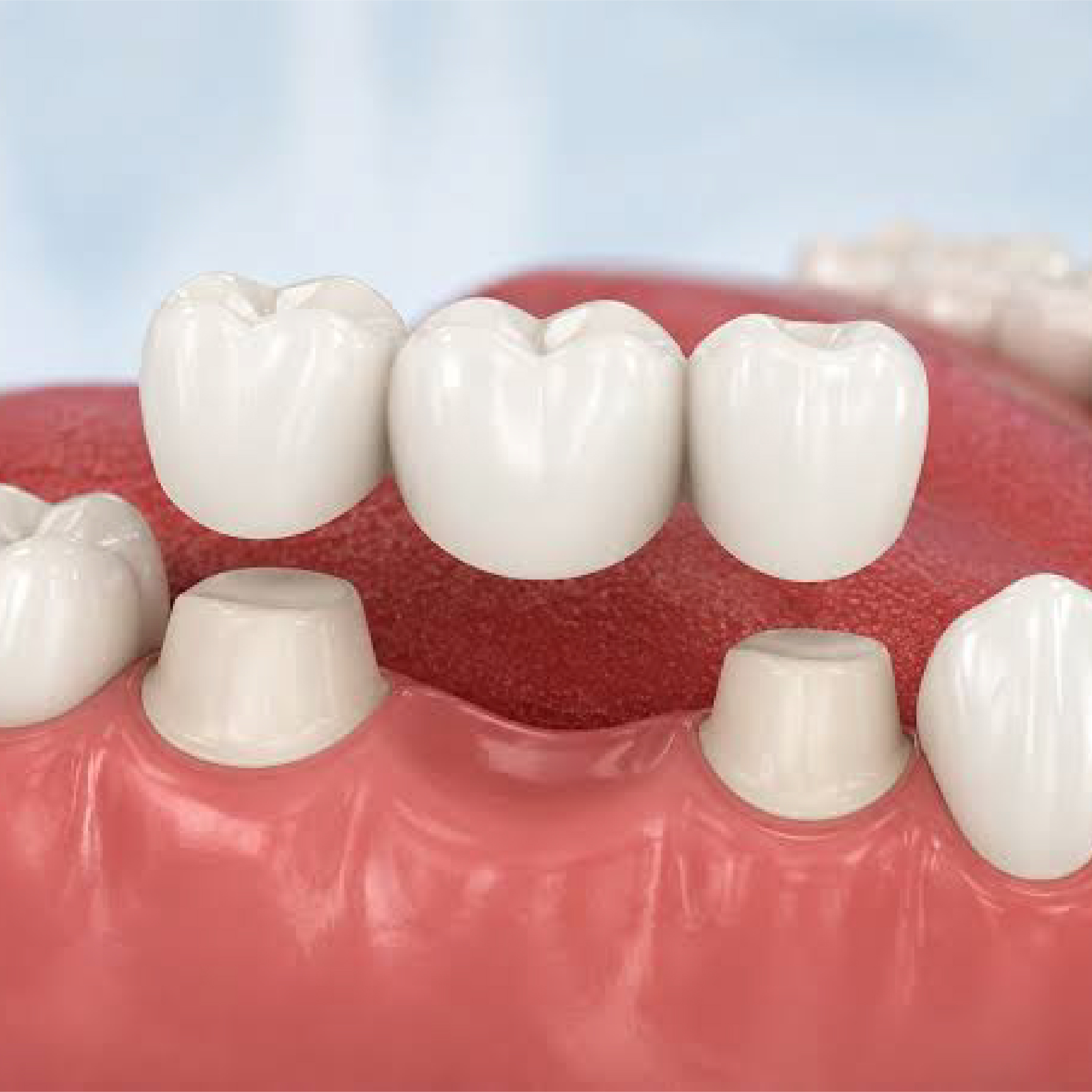
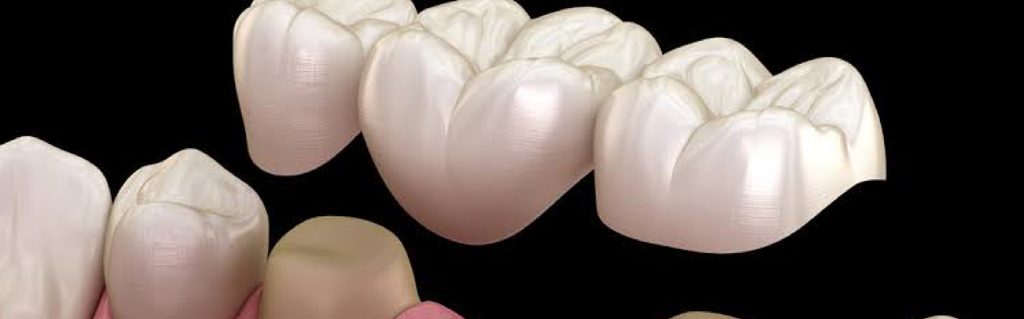
A dental types of bridges for teeth are fixed appliances that fill the empty space left by a missing tooth. Instead of taking it out at night like a partial denture, your dentist permanently cements it into place.
To understand how a types of bridge for teeth work, it helps to know its two main parts:
- Abutments: These are the anchor points that hold the structure steady. They are usually the natural teeth on either side of the space, or sometimes metal implant posts.
- Pontics: These are the artificial replacement teeth that sit inside the gap to replace what you lost.
When your dentist connects the pontic to the anchor points, it creates a solid unit that looks, feels, and works like a full row of natural teeth.
| Abutment Crown | Pontic Tooth | Abutment Crown |
| (Natural Tooth) | (False Tooth) | (Natural Tooth) |
4 Main Types of Bridges for Teeth
Dentists use four main categories of types of bridges for teeth. Each type is tailored to specific areas of your mouth and different levels of oral health.
1. Traditional Dental types of bridges for teeth
A traditional bridge is the most popular choice in modern restoration work. It features one or more fake teeth held in place by dental crowns on both sides of the empty space.
- How It Works: Your dentist reshapes the natural anchor teeth next to the space so protective caps can slide over them. The fake center tooth connects directly to those caps.
- Best Uses: Ideal when you have strong, healthy natural teeth on both sides of your gap. It works exceptionally well for back molars that endure heavy chewing pressure every day.
- Key Benefit: Highly durable, predictable, and able to withstand strong biting forces.
2. Cantilever Dental types of bridges for teeth
A cantilever types of bridges for teeth work like a traditional option, but it relies on an anchor on only one side of the space.
- How It Works: Instead of placing supporting crowns on both sides, the replacement tooth attaches to just one prepared tooth.
- Best Uses: Recommended when there is only one healthy natural tooth next to the open gap.
- Key Drawback: Because the replacement tooth acts like a lever, it puts extra stress on the single supporting anchor. It is rarely placed on back molars because intense chewing pressure can weaken or loosen the supporting tooth over time.
3. Maryland Dental types of bridges for teeth(Resin-Bonded types of bridges for teeth)
Maryland types of bridges for teeth offer a conservative alternative that preserves most of your natural tooth surface.
- How It Works: Instead of reshaping surrounding teeth to fit supportive crowns, this style uses metal or porcelain “wings” attached to the back of the replacement tooth. Your dentist bonds these wings to the back surfaces of your nearby natural teeth using special dental resin.
- Best Uses: Typically chosen for missing front teeth where chewing forces are lighter.
- Key Benefit: It keeps your nearby healthy teeth intact without grinding down protective enamel.
4. Implant-Supported types of bridges for Teeth
If you are missing several teeth in a row, an implant-supported design offers maximum stability.
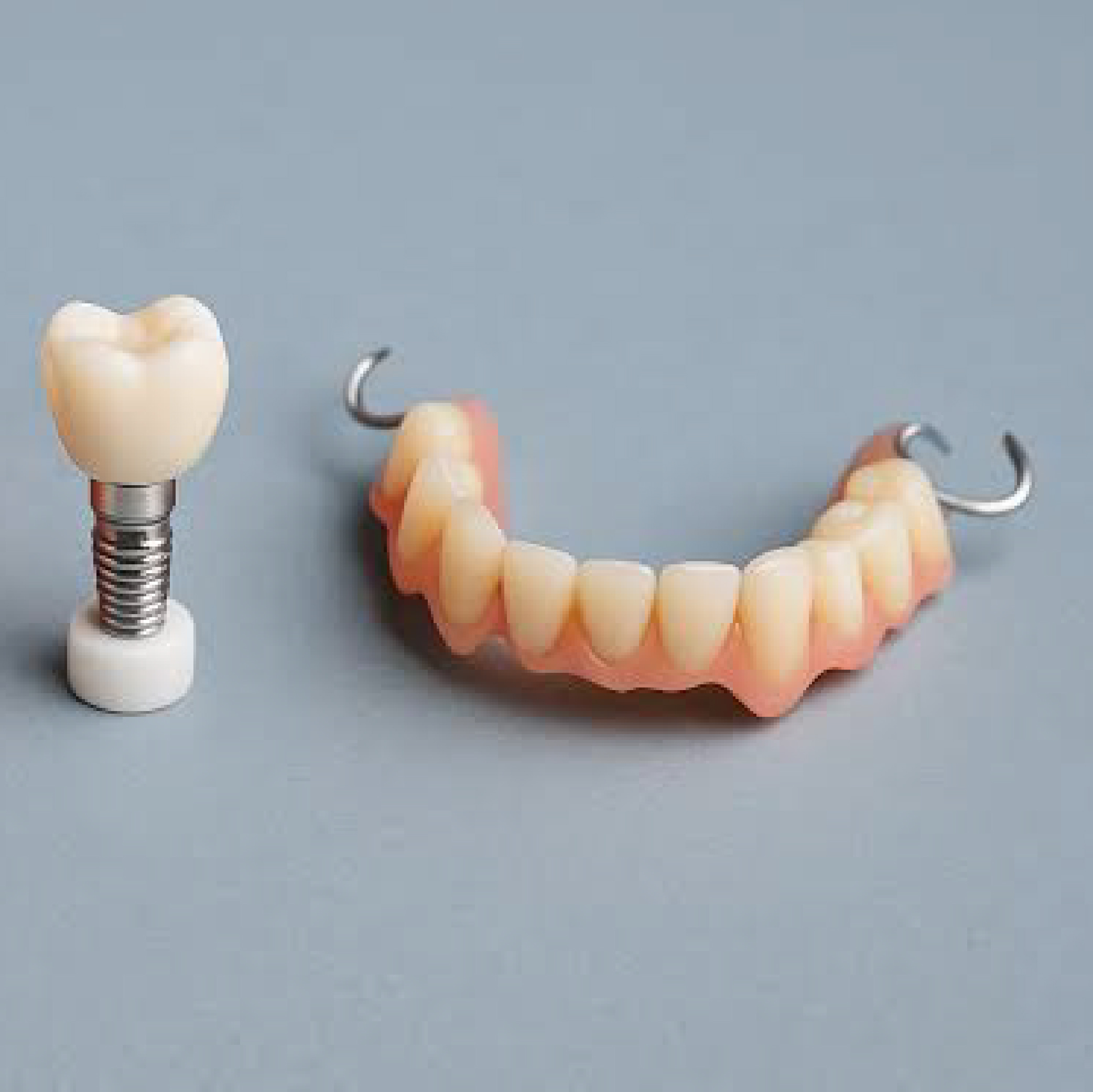
- How It Works: Instead of anchoring onto natural teeth, this system uses small titanium posts surgically placed into your jawbone. Once your bone heals around the posts, a custom bridge locks right on top.
- Best Uses: Perfect for people missing three or more adjacent teeth.
- Key Benefit: It leaves neighboring natural teeth untouched and stimulates your jawbone to prevent bone loss over time.
Quick Comparison Guide
| Bridge Type | Best Location | Anchor Support | Main Advantage |
| Traditional | Back or Front | Two natural teeth (both sides) | High strength and stability |
| Cantilever | Front/Middle | Single natural tooth (one side) | Works when only one side has a tooth |
| Maryland | Front teeth | Resin wings on back of teeth | Preserves natural tooth enamel |
| Implant-Supported | Large gaps (3+ teeth) | Titanium posts in jawbone | Stops bone loss; lasts longest |
Dental Bridge vs Implant: Which Is Right for You?
Choosing between a dental bridge vs implant is one of the most common decisions patients face when planning missing tooth replacement. Both options restore function and appearance, but their design and treatment timelines differ.
| DENTAL BRIDGE | SINGLE IMPLANT |
| Crown | Pontic | Crown | Crown |
| Natural Anchor Teeth | Custom Porcelain |
| Anchored onto surrounding reshaped enamel | Surgically placed post fuses into jawbone |
Treatment Speed and Procedure
- Dental Bridge: A standard type of bridge for teeth usually takes just 2 to 3 weeks and requires two visits. Your dentist prepares the anchor points during your first visit, takes impressions, fits a temporary piece, and bonds your permanent bridge on the second visit.
- Dental Implant: An implant involves oral surgery to place a titanium root into your jawbone. It requires a healing period of 3 to 6 months so the post can fuse with your bone before a final crown is attached.
Health of Neighboring Teeth
- Dental Bridge: A traditional bridge requires filing down outer enamel on nearby teeth to fit holding caps. If those neighboring teeth are already healthy and untouched, trimming them down is a permanent change to consider.
- Dental Implant: An implant stands completely on its own. It leaves all adjacent natural teeth fully untouched.
Jawbone Health
When a tooth root is gone, the surrounding jawbone slowly shrinks over time because it lacks stimulation.
- Dental Bridge: Types of bridges for teeth replace the visible crown portion of your tooth above the gumline, but they do not replace the root underneath. Bone loss under the fake tooth can still slowly happen.
- Dental Implant: Because the titanium post fuses inside your jawbone, it acts like a real root and helps preserve bone structure for life.
Materials Used to Build Your Bridge
The materials used to create your restoration affect how natural it looks and how long it lasts.
- Porcelain Fused to Metal (PFM): This reliable design features an inner metal structure for strength covered by a tooth-colored porcelain layer. It provides great durability for back teeth.
- All-Ceramic or Porcelain: Made entirely from high-grade ceramic, these options match the natural translucent sheen of real teeth. They are the top choice for front teeth where cosmetic blending matters most.
- Zirconia: Zirconia is an incredibly strong ceramic material. It resists chipping and cracking, making it an excellent choice for patients who grind their teeth or need extra durability on heavy chewing areas.
How Getting a Bridge Restores Your Smile
A missing tooth is more than just a cosmetic concern. Leaving a gap open can lead to cascading issues throughout your whole mouth.
1. Stops Neighboring Teeth from Drifting
When an empty gap remains in your tooth row, neighboring teeth gradually tilt and shift into the space. This movement ruins your natural alignment, creates hard-to-clean pockets, and leads to bite misalignment. A bridge holds neighboring teeth firmly in place.
2. Restores Natural Chewing Power
Missing molars make it hard to chew tough or crunchy foods evenly. Restoring your bite evenly spreads out force across your jaw, protecting your remaining teeth from extra wear.
3. Delivers a Complete Smile Restoration
Replacing missing teeth brings back your facial shape and prevents the sagging look that can happen when teeth are missing. Choosing a high-quality bridge gives you a natural smile restoration that matches your surrounding teeth in shape, color, and size.
Understanding the Bridge Crown Teeth Connection
To understand how a traditional bridge holds up under pressure, it helps to look closer at the bridge crown teeth connection.
The bridge crown teeth setup acts as a single continuous structure. The outer crowns sit securely over your reshaped natural anchor teeth, while the false middle tooth spans the empty gap. Because these parts are fused in a laboratory, proper care around the gumline is essential to keep the supporting teeth underneath free from decay.
Step-by-Step Procedure: What to Expect
Getting a standard bridge placed takes two primary dental appointments.
[ Visit 1: Prep & Impressions ] —> [ 2-3 Weeks: Lab Creation ] —> [ Visit 2: Bonding & Placement ]
First Visit: Preparation and Temp Placement
- Numbing the Area: Your dentist applies local anesthesia to keep you completely comfortable during the process.
- Reshaping Anchor Teeth: A small layer of enamel is trimmed from the supporting teeth to ensure room for the new caps.
- Taking Digital Impressions: Detailed scans or molds of your mouth are created. These go to a dental laboratory where technicians craft your custom piece.
- Fitting a Temporary Bridge: A light plastic bridge is temporarily placed to protect your prepped teeth while your permanent piece is being crafted.
Second Visit: Permanent Placement
- Removing the Temporary Piece: Your dentist takes off the temporary guard and cleans the area.
- Checking Fit and Color: The new bridge is set in place to check its shape, color match, and bite contact.
- Permanent Bonding: Once adjustments are complete, your dentist uses strong dental cement to fix the bridge permanently into place.
Caring for Your Bridge: Daily Hygiene Tips
With proper home care and regular checkups, a dental bridge typically lasts between 5 and 15 years. Since decay can still form on the natural anchor teeth beneath holding caps, consistent oral hygiene is crucial.
- DAILY BRIDGE CARE CHECKLIST:
- Brush twice daily using fluoride toothpaste
- Use a floss threader or water flosser under the pontic
- Avoid chewing ice, hard candies, or unpopped kernels
- Visit your dentist every 6 months for checkups
Cleaning Under the Replacement Tooth
Food particles and plaque can collect under the fake center tooth. Standard floss cannot pass straight down between joined caps, so you need special tools:
- Floss Threaders: Loop standard dental floss through a flexible plastic needle to slide it under the artificial tooth.
- Super Floss: This pre-cut floss features a stiffened end that easily threads beneath your restoration.
- Water Flossers: An oral irrigator uses a steady stream of pressurized water to sweep out trapped debris beneath your bridge.
Rebuilding Your Confidence with Grace Dental
Missing teeth affect how you eat, how you speak, and how you feel about your smile every day. If you are ready to fix gaps and protect your long-term oral health, the experienced team at Grace Dental is here to help.
From traditional fixed designs to modern implant restorations, custom options bring back function and give you a beautiful smile restoration you will love showing off. Schedule a consultation today to explore your options and find the perfect fit for your smile.
References:
https://my.clevelandclinic.org/health/treatments/10921-dental-bridges