Introduction
If you are dealing with a gap in your smile, discovering the best solution for missing teeth is the first step toward getting your confidence back. Losing a tooth changes more than just how your smile looks. It can affect how you chew your favorite foods, how clearly you speak, and even how your face holds its natural shape over time.
When you start searching for ways to fix your smile, the amount of information out there can feel overwhelming. Should you get a bridge? Are dentures comfortable? Can cosmetic options work? At The Grace Dental, we help patients across Florida navigate these choices every day. This article walks you through the top treatment choices, explains why certain options work better than others, and helps you figure out which path makes the most sense for your lifestyle.
Why You Should Not Wait to Replace Missing Teeth
It is easy to put off dental work, especially if the missing tooth is in the back of your mouth where nobody can see it. However, every single tooth plays a role in keeping your mouth healthy and aligned.
When a tooth is removed or falls out, the surrounding teeth start to drift into that open space. This shifting can throw off your entire bite, create hard-to-clean spaces where food gets stuck, and cause extra wear on your remaining natural teeth.
Even more important is what happens under your gums. Your jawbone relies on the constant pressure of chewing to stay strong and healthy. Without a tooth root to stimulate the bone, the jaw begins to shrink over time. This bone loss can alter your facial structure, causing a sunken look around your mouth and cheeks. Choosing the best solution for missing teeth early helps prevent these long-term issues before they start.
Comparing Your Options to Replace Missing Teeth
Every patient who comes through our doors has different goals, health needs, and budgets. Fortunately, modern dentistry offers several reliable options to replace missing teeth so you can smile again without hesitation.
│ Options to Replace Missing Teeth |
▼ ▼ ▼
│ Dental │ │ Dental │ │ Removable │
│ Implants │ │ Bridges │ │ Dentures │
│ │ │
├─ Replaces root & crown ├─ Anchored to adjacent teeth ├─ Sits on top of gums
├─ Preserves jawbone ├─ Requires shaving nearby enamel ├─ Budget-friendly initial cost
└─ Permanent 1-tooth fix └─ Lasts 10-15 years └─ May slide or require adhesive
1. Dental Implants
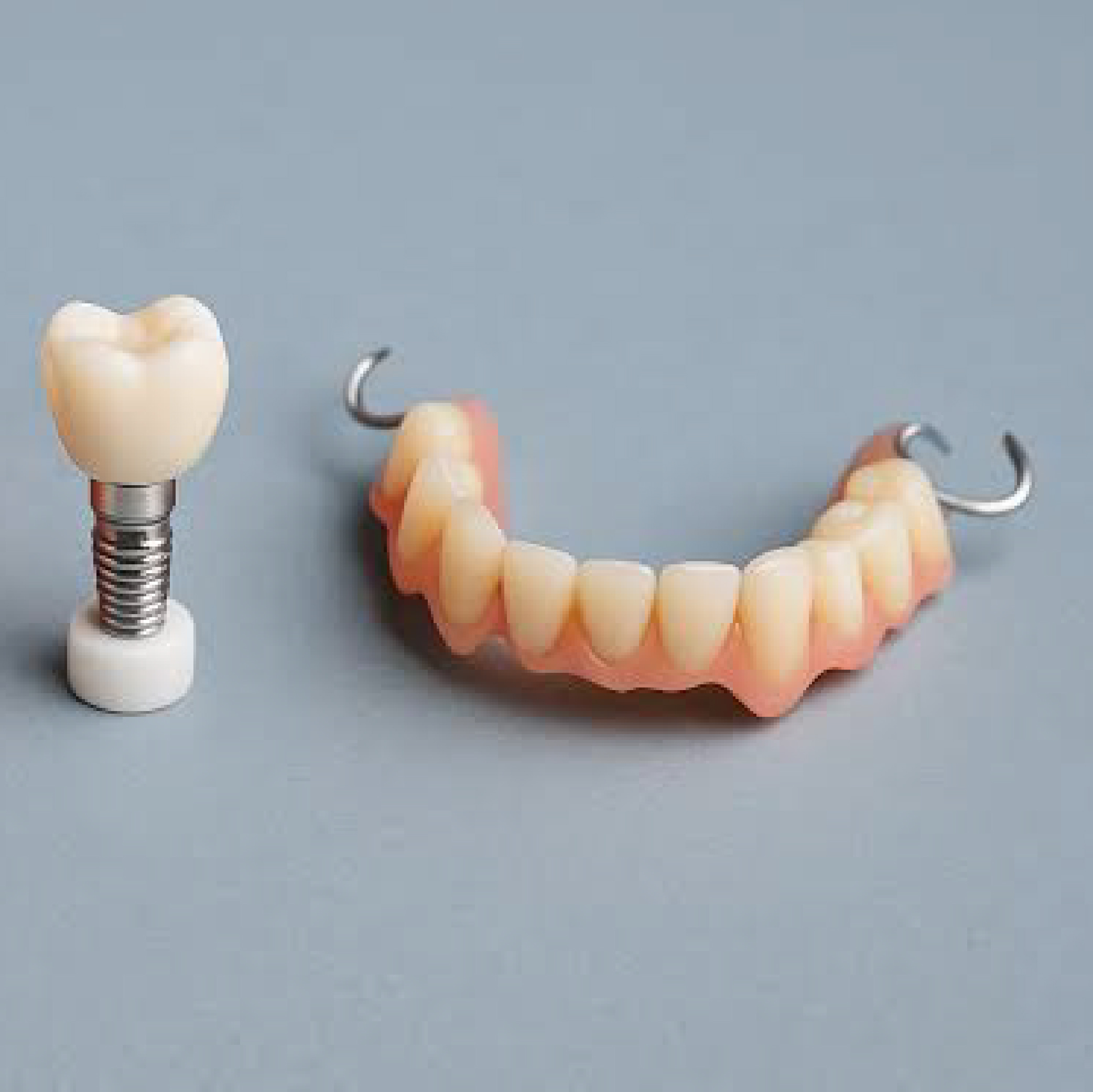
Dental implants are widely considered the gold standard in modern dentistry. Instead of just placing a fake tooth on top of your gums, an implant replaces the entire tooth structure, from the root under the tissue to the crown on top. A small titanium post goes into your jawbone, where it heals and fuses directly with your natural bone tissue. Once healed, a custom tooth crown is attached on top.
2. Fixed Dental Bridges
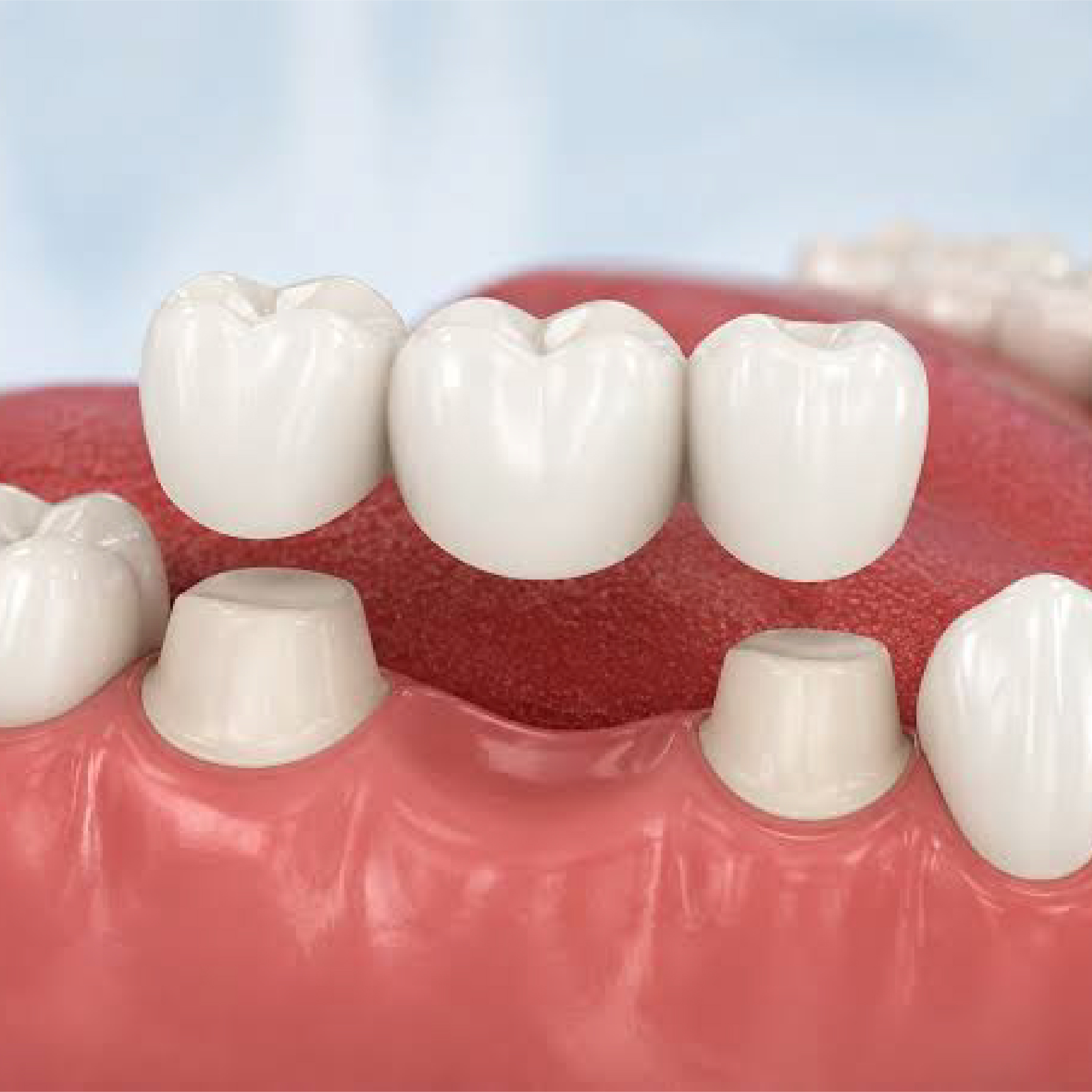
A dental bridge uses the strength of your natural teeth next to the gap to hold a replacement tooth in place. To set up a bridge, the teeth on either side of the gap are gently reshaped so custom crowns can fit over them. The artificial tooth sits in the middle, filling the empty space seamlessly. Bridges are non-surgical, sturdy, and usually take only a couple of visits to complete.
3. Partial and Full Dentures
For patients who need to replace several teeth or an entire arch, dentures remain a practical choice. Partials clip around your remaining natural teeth, while full dentures sit securely over your gums. Modern materials make today’s dentures much more comfortable, natural-looking, and better-fitting than those made years ago.
When reviewing your options to replace missing teeth, your dentist will evaluate your jawbone density, overall gum health, and individual goals to recommend the right fit.
Why Dental Implants Are the Best Solution for Missing Teeth
While bridges and dentures are great choices for many people, dental implants stand out as the best solution for missing teeth for most patients.
The reason implants perform so well comes down to biology. Because titanium is biocompatible, your body accepts it and allows bone tissue to grow tightly around it. This process, called osseointegration, anchors the implant firmly into your jaw.
When you chew food, the force travels down through the post into your jawbone, just like a natural root would. This keeps your jawbone active and healthy, preventing the bone loss that normally happens after a tooth is gone.
Additionally, an implant works on its own. It does not rely on neighboring teeth for support, meaning your surrounding healthy enamel stays untouched. When you look at durability, functionality, and long-term health, implants consistently prove to be the best solution for missing teeth.
Exploring the Benefits of Dental Implants
Understanding the benefits of dental implants helps explain why so many dentists and patients prefer them over traditional restorations.
Here are the key advantages you can expect:
- Natural Look and Feel: Custom implant crowns are shaped and colored to match your surrounding teeth so closely that nobody can tell which tooth was replaced.
- Restored Chewing Power: Because the post anchors into bone, you can bite into apples, steaks, and crunchy vegetables without worrying about slipping or pain.
- Protection for Healthy Teeth: Traditional bridges require shaving down neighboring healthy teeth. Implants protect your adjacent natural teeth by standing completely independently.
- Jawbone Health Preservation: Implants are the only restoration option that stimulates jawbone growth and prevents facial sagging.
- Long-Lasting Value: With simple brushing, flossing, and routine dental visits, a dental implant can last a lifetime, making it a smart long-term investment.
Experiencing the full benefits of dental implants gives you the freedom to eat, speak, and smile naturally without second-guessing your teeth.
Clearing Up Confusion: Veneers for Missing Teeth
A common question patients ask us is whether they can get veneers for missing teeth. It is easy to see where this idea comes from: veneers create stunning smile makeovers in commercials, and online, so many assume they can fix any smile issue.
However, it helps to understand what a veneer actually is. A veneer is a paper-thin shell of porcelain bonded directly to the front surface of an existing tooth. Its job is to fix surface imperfections like stains, minor chips, or small gaps between natural teeth.
Because a veneer needs a natural tooth structure underneath to attach to, you cannot use veneers for missing teeth if the entire tooth is gone.
That said, veneers can play an important supporting role in a broader cosmetic treatment plan. For example, if you replace a lost tooth with a dental implant, you might place veneers on nearby natural teeth to create a uniform, bright smile. Understanding how veneers for missing teeth fit into overall treatment ensures you set realistic expectations for your smile journey.
What to Expect During the Treatment Process
When you choose the best solution for missing teeth, knowing what steps lie ahead helps you feel relaxed and prepared.
THE DENTAL IMPLANT PROCESS
1. Digital Consultation & 3D Scanning
2. Precise Guided Implant Placement
3. Healing & Osseointegration Period
4. Custom Crown Attachment & Final Smile
Step 1: Initial Assessment and 3D Imaging
Your journey starts with a thorough checkup. Using advanced digital 3D imaging, your dentist evaluates your jaw structure, checks bone depth, and maps out a precise placement plan.
Step 2: Implant Placement
During a quick, minor surgical visit, the titanium post is carefully placed into your jawbone. Digital guidance ensures high accuracy while keeping discomfort to a minimum. Local numbing keeps you completely comfortable throughout the procedure.
Step 3: Healing Period
Over the next few months, your bone heals snugly around the post. If your missing tooth is in a visible spot near the front, a light temporary crown can be placed so you never have to walk around with a gap while healing.
Step 4: Placing the Custom Crown
Once the post has integrated fully with your jaw, your permanent custom crown is attached. Your dentist double-checks your bite alignment, polishes the crown, and ensures your new smile feels totally natural.
Taking these steps ensures that the best solution for missing teeth delivers results that last for decades.
How to Care for Your Restored Smile
Once you have reviewed your options to replace missing teeth and completed your treatment, caring for your new tooth is simple.
DAILY IMPLANT CARE ROUTINE
[ Brush Twice Daily ] ──► Use a soft-bristled toothbrush
[ Floss Daily ] ──► Clean thoroughly around the abutment base
[ Routine Visits ] ──► Schedule professional cleanings every 6 months
Dental implants do not develop cavities like natural teeth, but the gum tissue surrounding them still needs to stay clean and healthy. Here is how to keep your restored smile in great shape:
- Brush Twice a Day: Use a non-abrasive toothpaste and a soft toothbrush to gently clean around your replacement teeth.
- Floss Daily: Clean between your teeth and around implant posts every day to remove plaque buildup.
- Visit Your Dentist Regularly: Scheduling routine checkups and professional cleanings allows your care team to inspect your restoration and keep your gums healthy.
- Avoid Hard Habits: Do not use your teeth as tools to open plastic packaging or bite down on hard ice cubes.
Following a clean daily routine helps you enjoy all the benefits of dental implants for a lifetime.
Real Patient Scenarios: Which Solution Fits You?
To make choosing the best solution for missing teeth easier, here is how different options line up with typical patient needs:
- Scenario A: Missing a Single Tooth with Healthy Neighbors
- Best Choice: Dental Implants.
- Why: An implant replaces the missing tooth without requiring neighboring teeth to be shaved down for a bridge.
- Scenario B: Missing Multiple Teeth in a Row
- Best Choice: An Implant-Supported Bridge.
- Why: Placing two implants can support a three- or four-tooth bridge, saving money while preserving bone structure.
- Scenario C: Missing Teeth with Front Cosmetic Flaws
- Best Choice: Implant + Veneers Combination.
- Why: While you cannot place veneers for missing teeth, using an implant for the gap and veneers on nearby teeth creates a seamless, picture-perfect smile makeover.
Frequently Asked Questions
Is getting a dental implant painful?
Most patients report feeling very little discomfort during or after the procedure. Local anesthesia numbs the area completely during placement. Any mild soreness during the first couple of days is easily managed with routine over-the-counter pain relievers.
How long do dental implants last?
With proper daily care and regular dental visits, the titanium post placed in your jaw can last a lifetime. The custom porcelain crown on top typically lasts 15 to 20 years before needing normal wear-and-tear maintenance.
Why can’t I just use veneers for missing teeth?
Veneers are thin porcelain covers that must bond onto the front of an existing natural tooth. Because a missing tooth leaves a space with no structure to attach to, veneers for missing teeth cannot replace a missing tooth on their own. They are designed for surface cosmetic touch-ups rather than full tooth replacement.
How do I decide between implants and bridges when looking at options to replace missing teeth?
The choice depends on your budget, jawbone health, and personal goals. Implants cost a bit more upfront and require healing time, but they preserve your jawbone and do not harm neighboring teeth. Bridges are faster to complete, but they require reshaping nearby natural teeth.
Am I a good candidate for dental implants?
Most adults in good general health with healthy gums and adequate jawbone density are great candidates for implants. Even if you have experienced bone loss, bone grafting procedures can rebuild your jaw so it is ready to support an implant safely.
Taking the First Step Toward Your New Smile
Living with missing teeth affects more than just your appearance; it touches your comfort, health, and daily confidence. Exploring your options to replace missing teeth allows you to make an informed choice that fits your long-term health goals.
Whether you want to learn more about the long-term benefits of dental implants, ask about cosmetic treatments like veneers for missing teeth, or discover the best solution for missing teeth tailored to your needs, our friendly team is here to guide you every step of the way.
Ready to transform your smile? Contact The Grace Dental today to schedule your consultation and take the first step toward a healthy, complete smile!
References:
https://my.clevelandclinic.org/health/treatments/23522-dental-veneers
https://my.clevelandclinic.org/health/treatments/10903-dental-implants
https://www.nhs.uk/live-well/healthy-teeth-and-gums/dental-treatments