Introduction
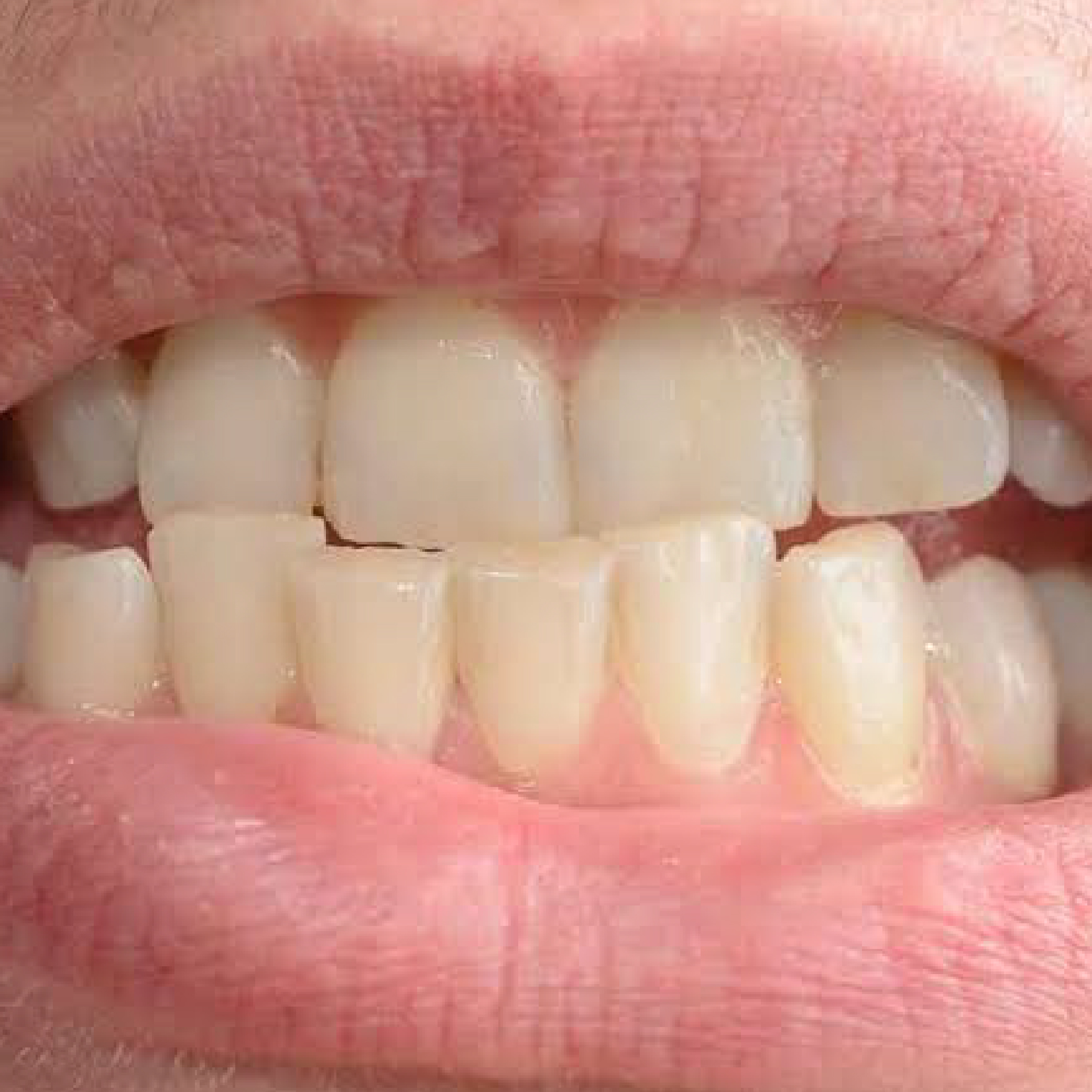
If you are constantly struggling with uncomfortable bite problems, you know how exhausting it is when your teeth do not line up right. Every single meal becomes a chore, your jaw feels sore by lunchtime, and you might even wake up with mystery headaches that just won’t go away.
Your mouth is a highly calibrated system, and when one small part of it is out of alignment, the whole machine starts to suffer. Many people try to ignore these subtle alignment changes, assuming a slightly crooked tooth or a faint clicking sound in the jaw joint is nothing to worry about.
But over time, untreated alignment issues can cause a massive chain reaction that damages your smile, wears down your protective tooth enamel, and compromises your overall jaw stability. Understanding how these structural issues develop and how they affect your everyday life is the first step toward getting your daily comfort back.
Why You Shouldn’t Ignore Chronic Bite Problems
When you think about going to the dentist, you probably think about checking for cavities or getting a teeth cleaning. But the way your teeth fit together when you close your mouth is just as vital for your daily well-being. If you live with structural bite problems, your chewing muscles never actually get a chance to rest. Every single time you talk, swallow, or chew a piece of food, your jaw has to awkwardly slide sideways or push forward just to force your teeth to meet. This constant extra workload creates deep muscular fatigue that can radiate all the way down into your neck, shoulders, and upper back.
Many folks spend months visiting different doctors to figure out why they have chronic neck stiffness or daily tension headaches, completely unaware that the root cause is actually sitting right inside their mouth. When your teeth do not share the physical pressure of chewing evenly, specific individual teeth end up absorbing far too much force. This concentrated pressure can cause your enamel to chip, crack, or break under the strain, opening the door for painful nerve exposure and severe tooth decay. If you leave these bite problems alone for years, the constant trauma can permanently damage the sensitive hinges right in front of your ears, leading to a painful condition known as TMJ disorder.
The joints that connect your lower jaw to your skull are incredibly sensitive to changes in pressure. When your teeth are misaligned, these joints are forced out of their natural resting positions every time you close your mouth. This constant displacement causes the protective cartilage disc inside the joint to wear out prematurely, resulting in a distinct clicking, popping, or grating sensation when you open wide. In severe cases, the jaw can even become temporarily locked in place, making it incredibly scary and painful to open your mouth normally. Taking care of your bite problems early is the absolute best way to protect these delicate joints from long-term, irreversible wear and tear.
How Lost Teeth Trigger a Destructive Chain Reaction
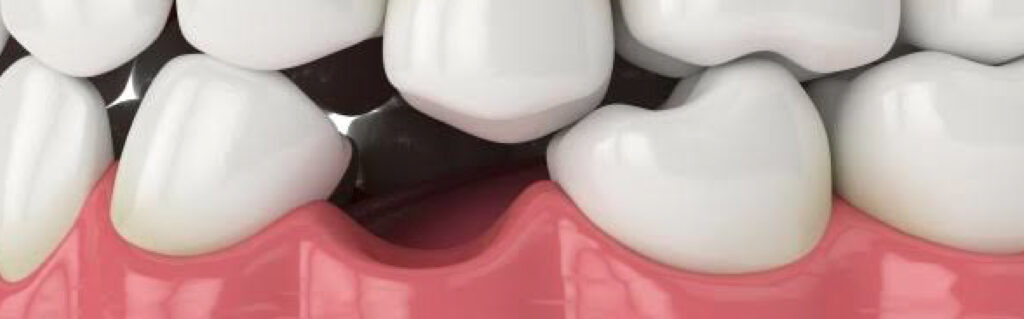
Your teeth rely on each other to stay in their proper positions. Each individual tooth acts like a sturdy pillar that holds its neighbors upright and stable across your jawline. When you lose a permanent adult tooth due to a sports injury, severe decay, or a necessary extraction, it creates a massive structural gap in your smile. Without a neighboring tooth to lean against, you will slowly but surely start to experience teeth shifting across your entire mouth. The teeth right next to the empty space will naturally begin to tip over into the gap, while the teeth directly above or below it will start to grow longer as they search for something to chew against.
This movement completely changes the geometric layout of your mouth. As this gradual teeth shifting continues over several months or years, it completely ruins the way your upper and lower arches lock together when you eat. Suddenly, teeth that used to line up perfectly are now clashing against each other at strange, stressful angles. This structural movement creates brand-new bite problems that can rapidly accelerate wear and tear on your remaining healthy teeth. The more your teeth move out of their original positions, the harder it becomes to fix the overall alignment without using advanced orthodontic care.
It is also important to realize that this movement doesn’t just affect the teeth right next to the empty space. As those initial teeth begin to tilt, the teeth next to them lose their support as well, causing a domino effect that can alter the positions of teeth all the way at the front of your mouth. A gap in the back of your mouth can eventually cause your front teeth to become crowded, twisted, or pushed forward. This progressive teeth shifting can alter the entire shape of your smile and change the way you pronounce certain words, making you feel self-conscious about talking in public.
The Hidden Connection to Deep Tissue Damage
The trouble with misaligned teeth isn’t just about how your smile looks in photos or how comfortably you can chew your food. When you have ongoing teeth shifting in your mouth, it creates a lot of tight, crowded spots and weird angles that are nearly impossible to clean properly during your normal routine. Your standard toothbrush bristles and dental floss simply cannot reach the sticky plaque and food particles that get trapped deep within these crooked gaps. Over time, that trapped plaque hardens into a rock-like substance called tartar, which acts like a permanent magnet for harmful oral bacteria.
When these bacteria are allowed to live undisturbed under your gumline, they trigger a chronic, silent infection that slowly destroys the tissues supporting your teeth. This long-term inflammation doesn’t just make your gums bleed when you brush; it actively attacks the solid foundation of your mouth, leading directly to progressive dental bone loss. As this condition worsens, the sturdy jawbone that keeps your tooth roots anchored begins to dissolve and shrink away. This creates a terrifying downward spiral: teeth shifting creates tight spaces that trap bacteria, the bacteria cause dental bone loss, and the weakening bone structure makes your remaining teeth even looser, causing them to drift even faster.
This loss of bone density can have serious consequences for your entire facial structure. Your jawbone needs the constant physical stimulation of healthy chewing forces to maintain its volume and strength. When teeth are missing or misaligned, large sections of the bone no longer receive this vital stimulation, causing the bone tissue to reabsorb into the body. This progressive dental bone loss can eventually cause your cheeks to look hollow and your lips to appear thinner, making you look significantly older than you actually are. Protecting your bone structure is just as important as protecting the visible surfaces of your teeth.
Real Solutions for a Missing Tooth and Aesthetic Concerns
When people look in the mirror and notice large gaps or crooked teeth caused by years of movement, they often want to fix the appearance of their smile as quickly as possible. They want a beautiful, seamless solution that makes them feel confident again when they laugh or talk with friends. A very common question that people ask during their consultations is: can you get veneers with missing teeth? It makes complete sense why this question comes up so often, because modern porcelain treatments are famous for creating flawless, stunning smile makeovers.
To give you an honest, practical answer, you cannot place a thin porcelain shell directly over an empty space where a tooth is completely gone. Veneers are custom-made front coverings that must be permanently bonded to an existing, healthy tooth structure to stay in place. However, if you look at the bigger picture, can you get veneers with missing teeth when you combine different modern dental treatments? Yes, you absolutely can. A skilled dentist can easily place a permanent dental implant to fill the empty space and then use gorgeous porcelain veneers on the surrounding teeth to make your entire smile look perfectly uniform and natural.
But there is a catch you need to keep in mind if you are currently dealing with unresolved bite problems. If your jaw still closes at an uneven, high-pressure angle, you will end up putting an immense amount of physical stress on your brand-new porcelain work. That heavy, unbalanced chewing force can easily crack, chip, or pop an expensive veneer right off your tooth. Fixing your underlying bite problems first ensures that your cosmetic investments stay completely safe and look beautiful for decades to come.
Many patients do not realize that cosmetic dentistry and restorative dentistry must work hand in hand to achieve a result that lasts. If you try to take a shortcut by placing veneers over teeth that are severely out of alignment, you are essentially building a beautiful house on a shaky foundation. The constant, abnormal grinding forces caused by your bite problems will eventually cause the bonding material to fail. By taking the time to properly align your jaws and balance your chewing forces before finishing your cosmetic upgrades, you protect your smile from premature damage and save yourself from needing costly repairs in the future.
The Vital Importance of Saving Your Structural Foundation
Stopping the breakdown of your jawbone should always be a top priority when you are trying to rebuild a healthy and functional smile. If you let chronic dental bone loss continue untreated, your face can actually start to look older prematurely as your jaw structure shrinks and loses its volume. This bone shrinkage also makes it much harder to get standard dental replacements down the road, because your mouth simply won’t have enough solid tissue left to anchor a replacement securely.
To stop this damage in its tracks, you have to address the root cause of the infection and the physical lack of stimulation in the bone. Every time you chew with a natural tooth, the root sends tiny vibrations into your jawbone, telling your body to keep that bone dense and strong. When a tooth is gone, that stimulation stops completely, which is why dental bone loss happens so quickly in empty spaces. Catching this bone breakdown early allows your dentist to use advanced treatments to rebuild your mouth’s natural strength and stability.
If you wait too long to address this issue, the bone can become so thin that it can no longer support a standard dental implant. In the past, patients with severe bone depletion were told that they had to live with loose, uncomfortable dentures for the rest of their lives. Thankfully, modern bone grafting techniques allow dentists to harvest tiny amounts of bone mineral and place them into the areas where the jaw has shrunk. Over a few months, your body uses this material to grow brand-new, live bone, effectively reversing the effects of dental bone loss and creating a solid foundation for future dental implants.
Combining Cosmetic Upgrades with Restorative Care
If you are still wondering, can you get veneers with missing teeth, it helps to see how dentists plan a complete mouth restoration. First, your dental team will take detailed digital X-rays to see if you have any hidden dental bone loss around the space. If the bone has already started to weaken, they can perform a simple bone graft to patch and strengthen the area, making it completely solid again.
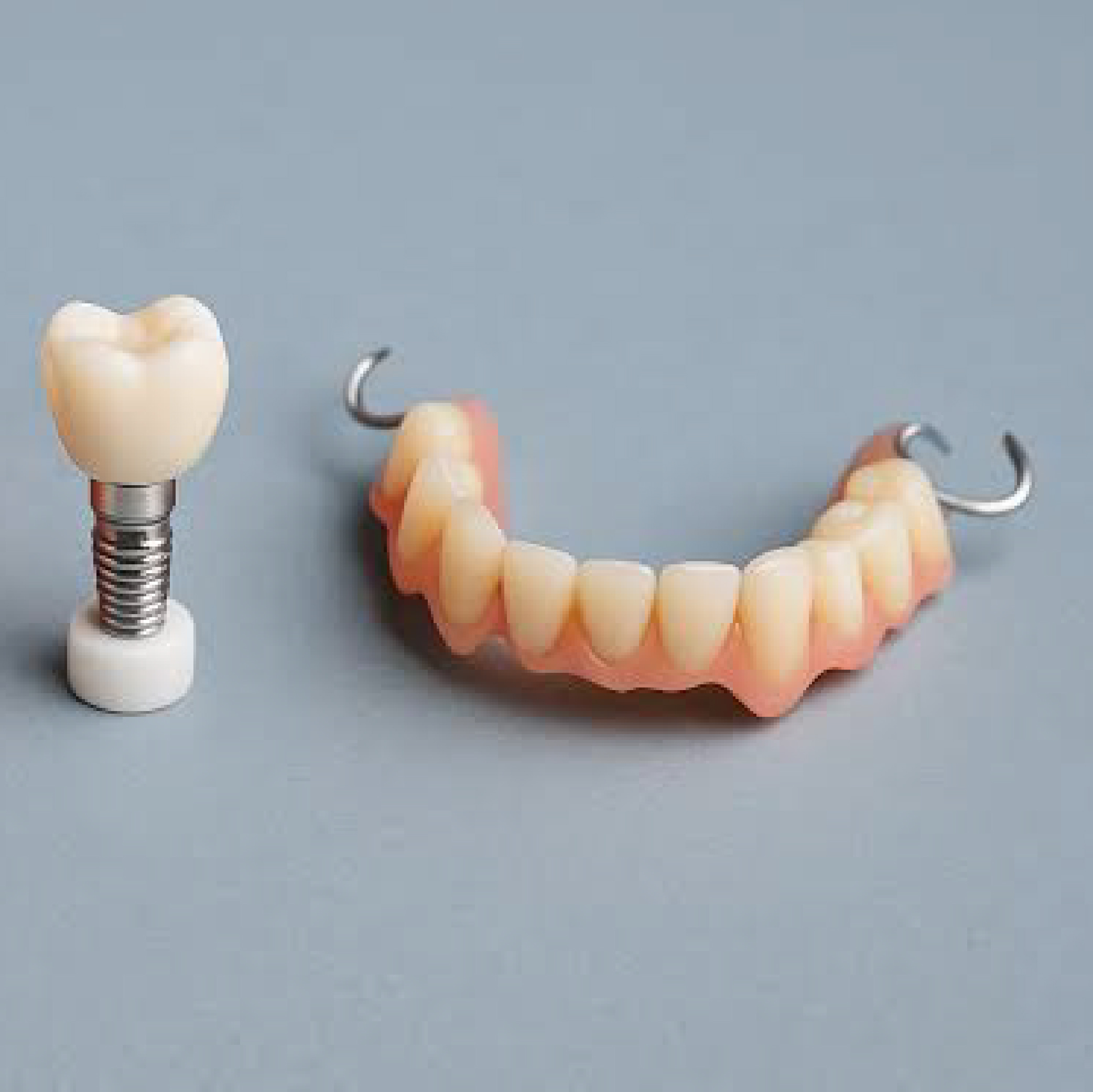
Once the bone foundation is perfectly healthy, the dentist can place a secure dental implant to fill the open gap. This implant replaces the missing root, balances your chewing pressure, and permanently prevents nearby teeth from shifting and ruining your alignment again. Once that restorative work is done, the dentist can place stunning porcelain veneers on your front teeth to fix any surface stains, minor chips, or cosmetic gaps. This comprehensive approach beautifully answers the question, can you get veneers with missing teeth, giving you a smile that functions perfectly and looks incredibly beautiful.
This step-by-step process ensures that every single tooth in your mouth is carrying its fair share of the workload. When your implant is securely in place, it takes the heavy pressure off your natural teeth, allowing them to function without being overloaded. This stable environment is exactly what your porcelain veneers need to stay securely bonded for life. When you ask your provider, can you get veneers with missing teeth, they will help you look past a quick fix and design a comprehensive plan that protects your long-term health and keeps your smile looking radiant.
Modern Treatments to Bring Your Jaws Back into Balance
You do not have to live with the daily annoyance and discomfort of unbalanced teeth. Modern family dentistry offers several highly effective, gentle ways to correct severe bite problems and restore your peace of mind. The perfect treatment path for your mouth will depend on what is causing your specific alignment trouble.
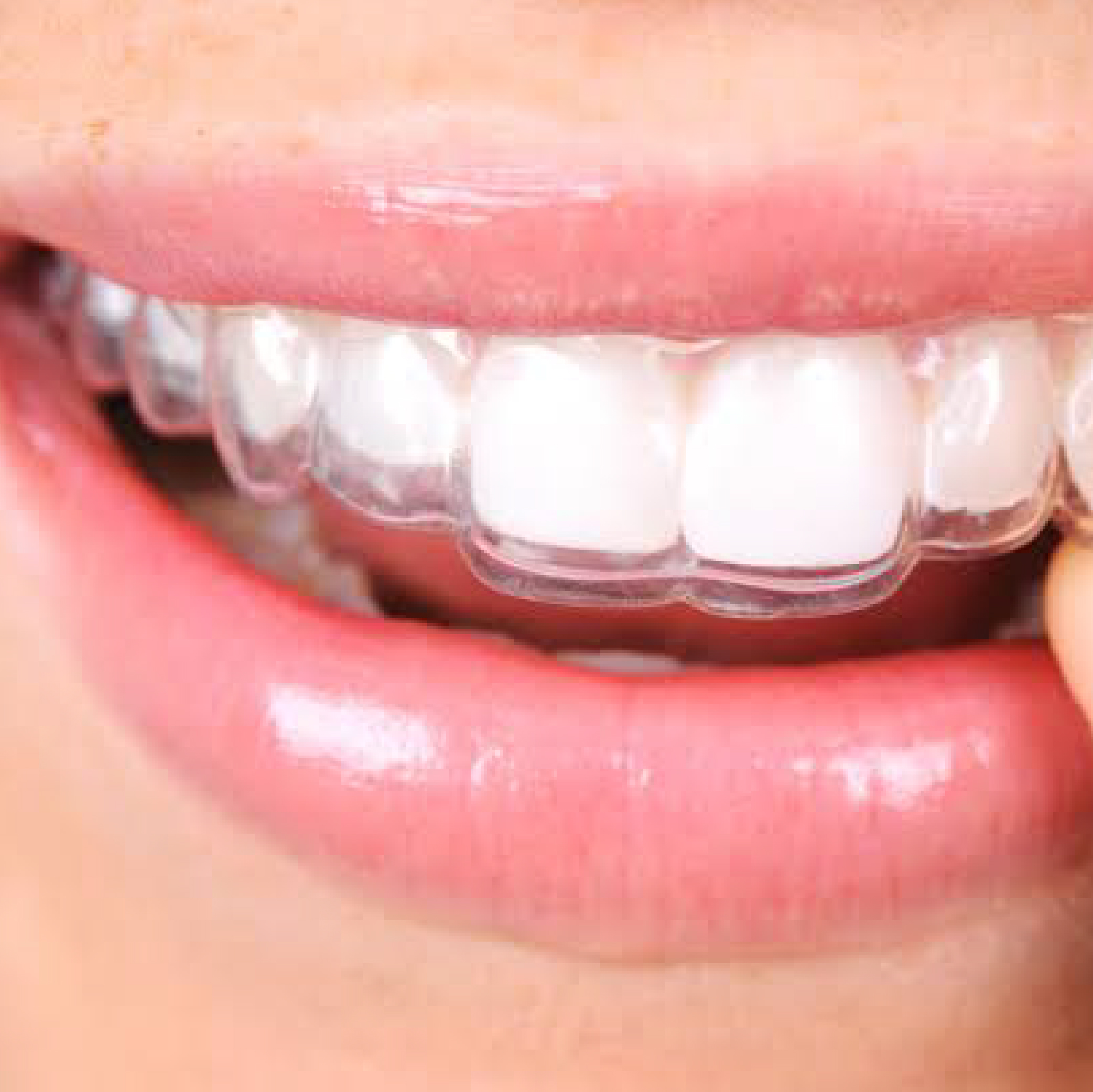
For many patients, clear aligners or traditional orthodontic braces are the absolute best way to guide teeth back into their proper places. Clear aligners use a series of smooth, invisible plastic trays to gradually move your teeth without anyone else noticing. By straightening out crooked or crowded areas, orthodontics can permanently resolve your bite problems by fixing the structural root of the imbalance. If your issues are caused by missing teeth, filling those gaps with implants is the key to balancing your chewing forces and keeping your mouth stable.
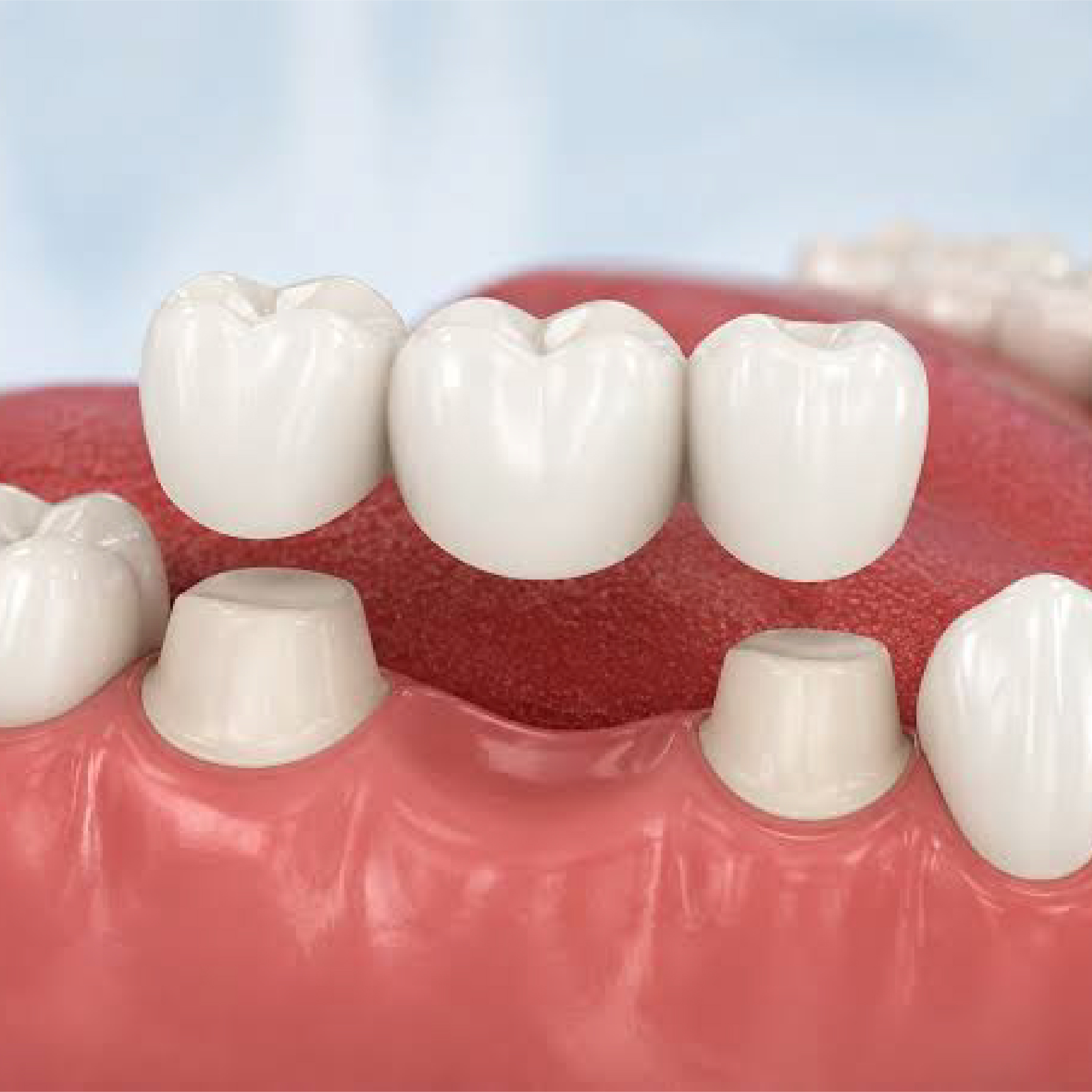
If your teeth have already become heavily worn down or flattened from years of grinding, a dentist can use custom porcelain crowns to rebuild the chewing surfaces. This carefully restores the proper height of your teeth so your jaw muscles can finally relax. Additionally, if you tend to clench your jaw tightly when you are stressed or sleeping, wearing a custom-fit nightguard can protect your enamel from cracking and significantly ease your daily bite problems.
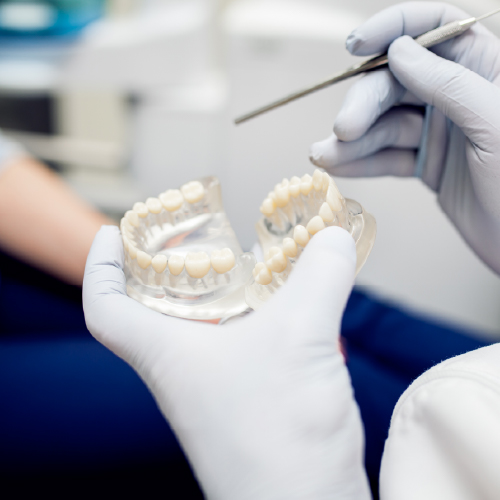
Every person’s jaw structure is unique, which is why a thorough diagnostic exam is so important before starting any treatment. Your dentist will use digital molds and three-dimensional imaging to see exactly how your jaws move when you chew. This allows them to see the hidden spots where your teeth are colliding too hard. By mapping out these high-pressure zones, they can make tiny, precise adjustments to your teeth or design custom appliances that gently guide your jaw into a relaxed, natural position, eliminating the root cause of your bite problems.
Simple Steps to Protect Your Smile at Home
While you will need a professional dentist to correct deep structural misalignments, practicing good daily habits at home can keep your mouth healthy and stable:
- Keep a close eye on jaw tension: If you notice that you are clenching your teeth while driving, working, or watching television, consciously relax your jaw muscles and rest the tip of your tongue behind your top front teeth.
- Never skip a day of flossing: Daily flossing is the only way to clean out the deep bacterial pockets that develop when your teeth are crowded, protecting your gum health.
- Avoid using your teeth as tools: Biting your nails, chewing on ice cubes, or using your teeth to tear open plastic packaging puts massive, uneven stress on your enamel, which can quickly worsen your existing bite problems.
- Schedule regular checkups: Routine dental cleanings allow your provider to catch tiny movements in your mouth before they turn into painful, expensive structural issues.
Reclaiming Your Comfort and Confidence
Living with teeth that do not fit together right can wear down your everyday quality of life. It makes you feel self-conscious when you smile, causes unnecessary physical fatigue, and can lead to serious long-term issues like bone breakdown if left alone. You shouldn’t have to just accept jaw pain or chipped teeth as a normal part of your life. Investing in your oral health early protects your natural teeth and saves you from needing much more complex procedures down the road.
If you are tired of dealing with constant bite problems and want to get your mouth back to feeling completely normal, the team at Grace Dental is ready to take care of you. Located right in Winter Park, Florida, Dr. Mohammed Khattari and his dedicated team focus on looking at your smile as a whole, connected system. They use advanced diagnostic technology to pinpoint the exact cause of your jaw imbalances, ensuring you get a treatment plan tailored specifically to your goals.
Whether you need clear aligners to fix your alignment, durable dental implants to stop your teeth from moving, or you want to find out how you can get veneers with missing teeth, they will walk you through every single step of the process in a warm, welcoming environment.
Do not wait for minor discomfort to turn into a bigger issue. Contact their office today to schedule a comprehensive consultation and give your jaw the lasting relief it deserves.
References:
https://my.clevelandclinic.org/health/diseases/22010-malocclusion