Introduction
Completing the orthodontic process seems to be quite an accomplishment. After a period of months or years, the removal of braces or clear aligners indicates the importance of this situation that will become part of your memories.
The effort of ensuring that your teeth remain straight does not end once you have removed your braces. You will need to use a quality teeth retainer in order to safeguard your efforts.
It’s crucial to know how teeth retainers work and to understand how to select from the various types of retainers. What many patients do not understand is that teeth have memory and tend to move back toward their earlier positions as time goes by.
The efficient use of retainers after braces treatment is the best possible means of keeping your adjusted smile intact forever thereafter.
This guide will provide you with all the important aspects related to your smile, how to choose the right device, and how to make retention an effortless part of your life.
Why Is a Teeth Retainer So Essential?
When your braces are removed, the bone and tissue surrounding your roots need time to stabilize in their new positions. Without support, your smile will naturally begin to shift, a process known as relapse.
During this crucial stabilization period, a teeth retainer works like a safety net. It keeps the tooth intact until the bone regenerates itself. By not going through this stage, all the efforts done for the past few years become futile within just a few months.
The following are the main reasons that make it imperative to wear a teeth retainer:
- Prevents Orthodontic Relapse: It holds your bite steady while periodontal ligaments adjust.
- Guard Your Financial Investment: Orthodontic treatment is an investment of time and money, and the retainers are what make sure your time and money do not slip away.
- Adapts to Age-Related Dental Shifts: As we age, our jaws naturally narrow, causing crowding if unsupported.
- Bite Function is Maintained: Apart from looking good, alignment retention also guarantees bite comfort and functionality.
Wearing a teeth retainer? It’s really an insurance policy for your smile.
Different Types of Retainers
Not every retention appliance functions in the same manner. Your dentist might suggest a particular type of retainer depending on your lifestyle, taste, and dental circumstances. Knowing the different types of retainers can also aid in making the right choice when it comes to the preservation of your oral health.
1. Removable Clear Plastic Retainers
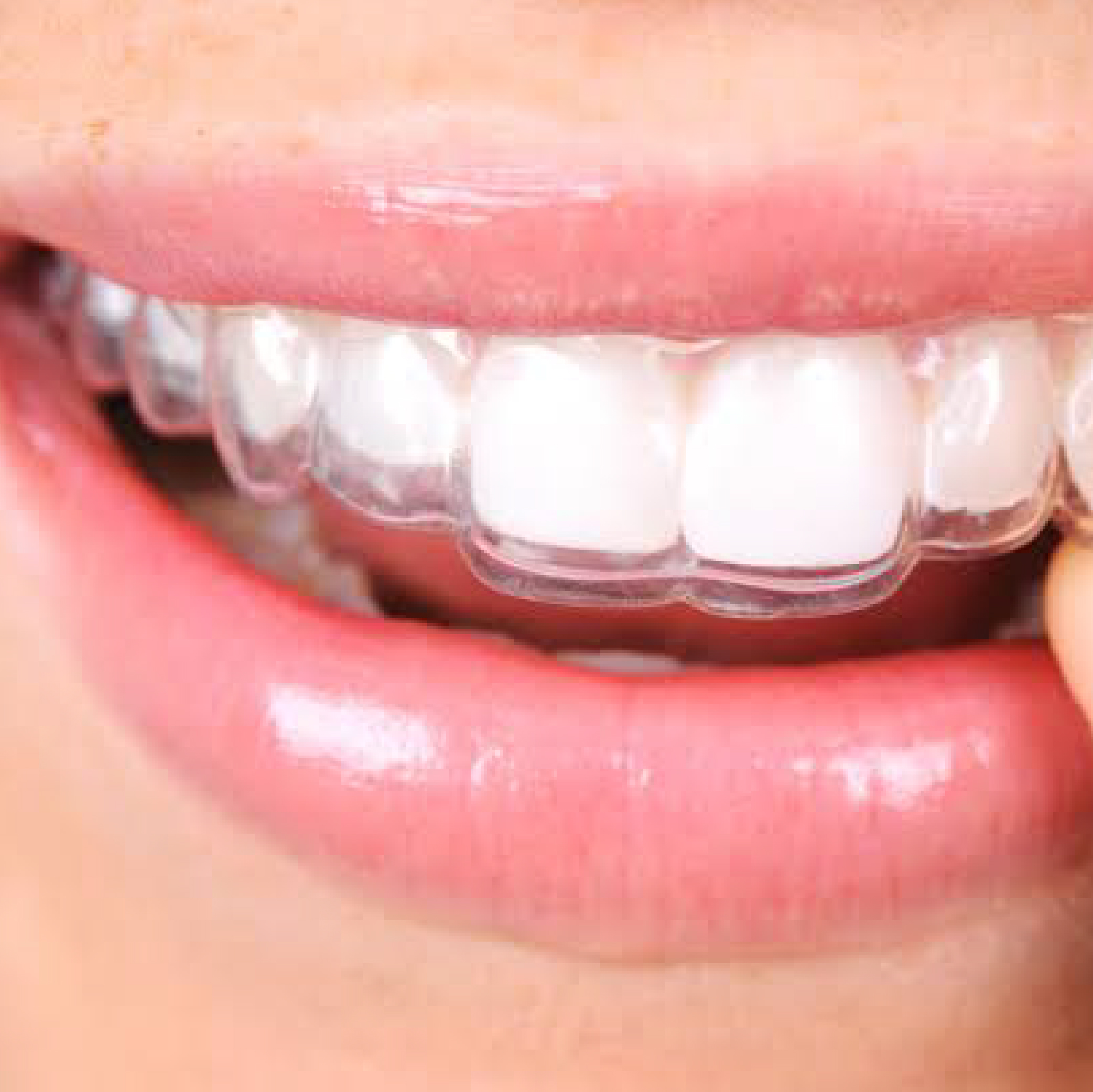
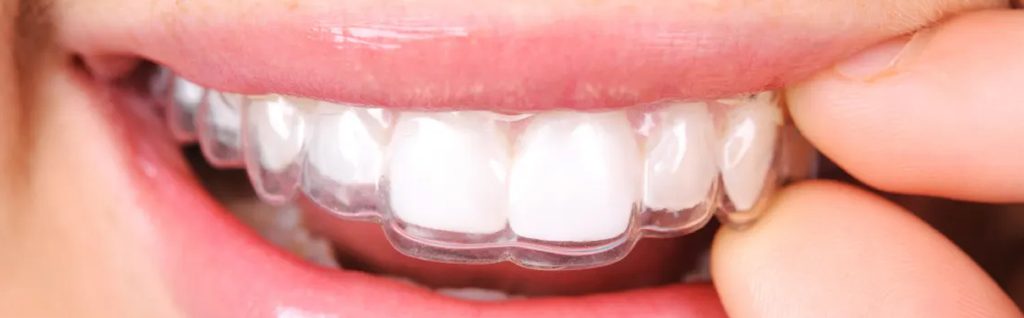
Contemporary retainers are also known by names like Essix or Vivera. They are made of transparent plastic that comes in a shape that fits well inside the mouth.
- Pros: Discreet, comfortable, and easy to clean.
- Cons: Can warp due to heat, often break after some time, and are liable to be lost if stuffed in paper towels during meals.
2. Hawley Retainers (Traditional Wire and Acrylic)
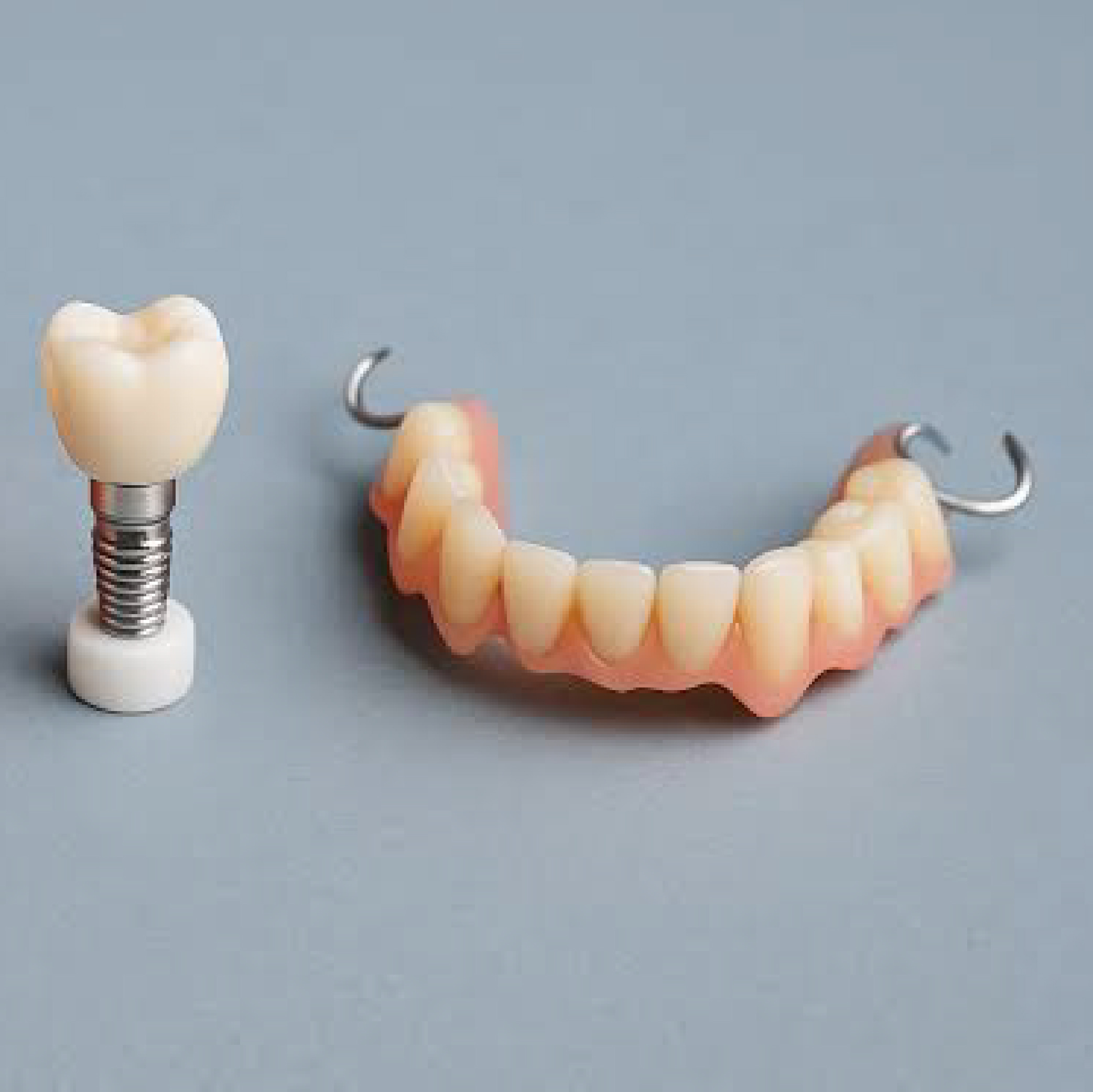
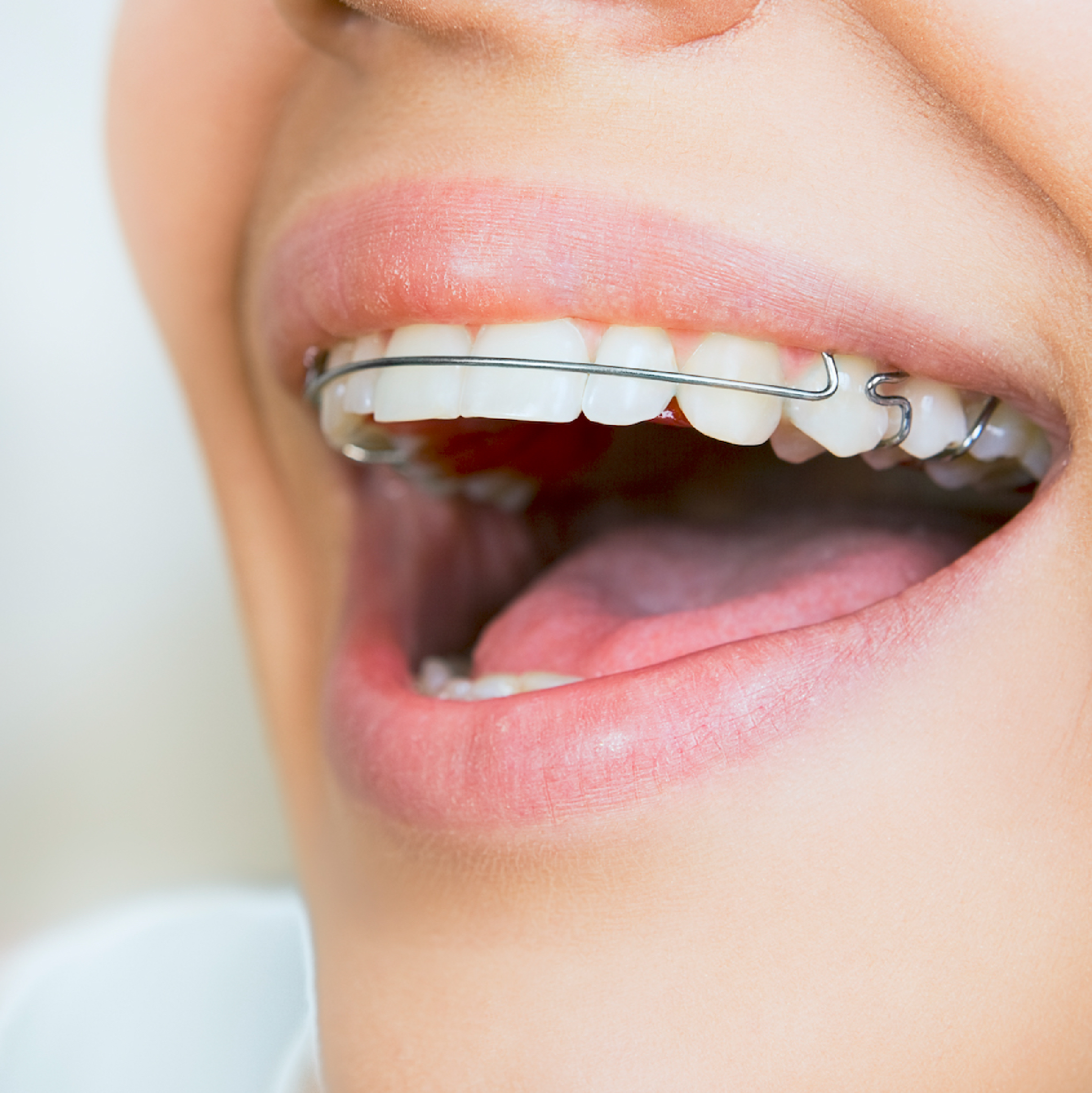
Hawley retainers are composed of an acrylic piece that lies on the roof of the mouth or on the back of the tongue and a wire made from metal running through the front teeth.
- Pros: Highly durable; has adjustable features; exists in multi-color versions.
- Cons: It has a wire in the front and some negative impact on speech ability; bulky when compared to the clear options.
3. Bonded or Fixed Teeth Retainers
This is a device whereby the wire is attached to the inner surface of the front teeth.
- Pros: It is invisible, can never be misplaced, and works constantly without any need to put it on daily.
- Cons: Flossing can be difficult, as plaque formation is a possibility.
How Teeth Retainers After Braces Protect Your Investment
The post-treatment phase where the teeth are most likely to move is the one immediately following active orthodontic treatment. By wearing retainers after getting braces, you help ensure that the surrounding structures of your tooth roots get properly set.
Recommended Wear Schedule
- First 3 to 6 Months: Full-time wear (20-22 hours a day, removed for meals)
- 6 Months to 1 Year: Transition to nighttime-only wear
- Year 2 and Beyond: Continued nighttime wear (a few nights per week minimum)
Your bone tissues will gradually redevelop for a few months. The appropriate retention of teeth helps create the correct amount of pressure and ensure arch recovery. If the retainer is not used continuously, it can begin to change tremendously in the first days after being received, thus jeopardizing the future efficacy of the retainer.
Daily Care and Hygiene for Your Teeth Retainer
To maintain hygiene and freshness, you need to implement an effective daily cleaning regimen. Just like in the case of natural teeth, food remains and microorganisms that create problems can build up in dental appliances.
Follow these tips for taking care of your teeth retainer:
- Wash Once Taken Off: Use cold or lukewarm water each time you remove the device for cleaning.
- Brush Daily: Take care to clean teeth gently using a toothbrush.
- Soak Stepwise: Use the retainer detergent for ultimate cleaning once or twice a month.
- Keep Out of Heat: High temperature, dishwashers, and sunlight can deform plastic products, making them useless.
- Keep in a Hard Case: Your teeth retainer should be stored in an open hard case whenever you don’t have it in your mouth.
Common Errors with Using Your Teeth Retainer That You Shouldn’t Make
You can still damage the device or even lose the progress you’ve been making by making small errors when using a dental retainer. Getting the right amount of care at home, besides the correct schedule, will really make a big difference!
- Don’t Put It in a Napkin: It’s very easy to throw it out. Use it only in its case.
- Keep It Out of Reach of Pets: The odor attracts dogs to chew on teeth retainers.
- Do Not Eat or Drink with It: Hot liquids can warp it, while colored ones can discolor it.
- Wear as Per Instructions: Not wearing it allows your teeth to drift.
- Avoid Using Strong Chemicals: Bleach, hot water, and alcohol-based mouthwashes should be avoided.
How to Handle a Missing or Damaged Teeth Retainer
Accidents happen. If you lose or break your appliance, acting fast is critical to prevent relapse.
- Immediately Contact Your Orthodontist: The first thing that you should do is not to wait for another few weeks before the issue is brought to the attention of the orthodontist, in the case of a missing appliance. You should know that even in two days time your teeth can start shifting which may be a cause of concern.
- Check for Backup Options: If you have an older or secondary teeth retainer, wear it temporarily to hold your alignment while you wait for a replacement.
- Get a New Scan: Modern clinics use digital 3D scanners to craft precise replacements quickly and comfortably.
Retainers vs. Aligners: What is the Difference for Straight Teeth?
Some people will confuse clear aligners with teeth retainers, but actually they take on different roles. The main difference is in their action :
- Clear Aligners: Clear aligners apply active forces to shift the teeth from one position to another.
- Teeth Retainers: While retainers apply passive forces to maintain the position of the teeth.
Attempting to correct the substantial displacement of your teeth by using a retainer can lead to injuries to your tooth roots and gums. The behaviour of teeth is not something that should be ignored. When a very significant shift happens, you should get your new retainer at the dental clinic instead of trying to wear the old one.
Common Questions & Answers
How long do I need to wear a teeth retainer?
For life. Although, with time, the frequency of use goes down from full-time (every day for all 24 hours of the day) to just a couple of nights a week, lifetime wear is the only foolproof method of keeping your teeth in alignment.
How often should I replace my teeth retainer?
Clear plastic appliances typically last 1 to 3 years depending on wear, tear, and whether you grind your teeth at night. Hawley appliances can last 5 to 10 years or longer with proper care.
Achieve a Healthier Smile with Clear Aligners at Grace Dental
At Grace Dental, we have Clear Aligners and ClearCorrect available. These are two options for creating a straight smile that you can be proud of. After your course of treatment at Grace Dental, it remains to be seen whether you will need to wear a retainer to keep your now perfectly straight teeth in place over time.
Effective alignment benefits not just the looks of your smile but also your speech, chewing efficiency, and overall oral and TMJ health. Our staff will suggest the right retainer for your teeth and help keep your results working for you over the long term.
Finally, protect your smile
A beautiful and healthy smile requires time, dedication, and hard work to be acquired. Protecting this progress is no less complicated. You need to pick the suitable types of retainers available to you, follow the rules of hygiene, and wear the contraption constantly.
Usually, one must wear a retainer after the completion of orthodontic treatment with braces. Consider it to be an investment in your well-being and self-esteem.
According to the type of retainer you’re wearing, it could be a plastic tray, Hawley retainer, or archwire; your retainer is essential in ensuring that your teeth stay in position. Make sure to take care of your device and always wear it as prescribed to be able to enjoy your smile.
References:
https://aaoinfo.org/treatments/retainers