Introduction
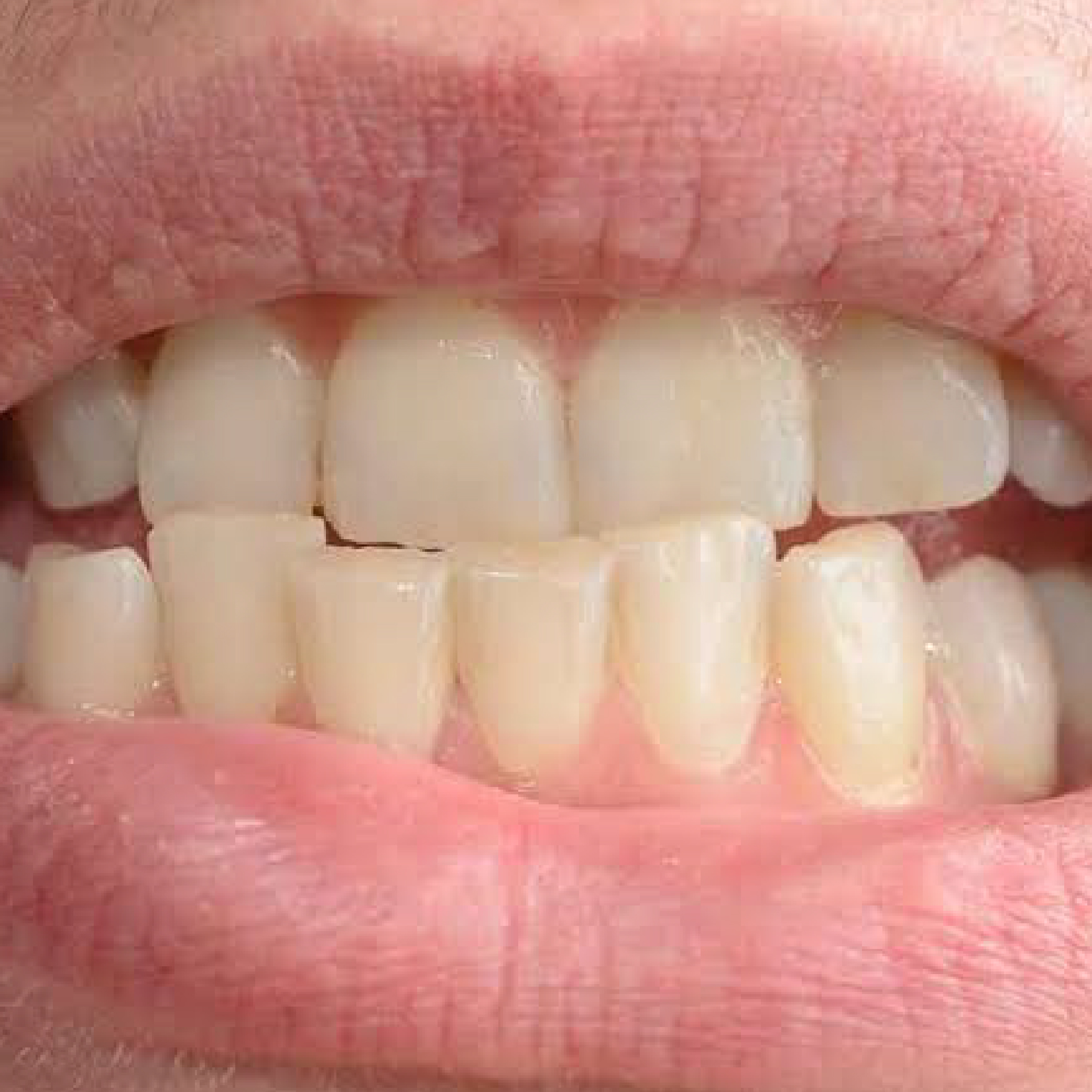
Our teeth are the biggest confidence boosters when we smile, laugh, or talk. A missing or damaged tooth may cause you to become uncomfortably aware of yourself, and even the most basic things, such as eating and speaking, may become a source of discomfort. However, the situation is totally different now because modern dentistry has changed the game.
Treatments such as bridge crown teeth are able to do more than just bring back your smile to the way it was. They can also bring back your confidence. If you are thinking about the most efficient method of tooth replacement, or if you feel confused by these words and want to get an insight into what they really mean, then this article is going to be of great help to you.
What Are Bridge Crown Teeth and How Do They Work?
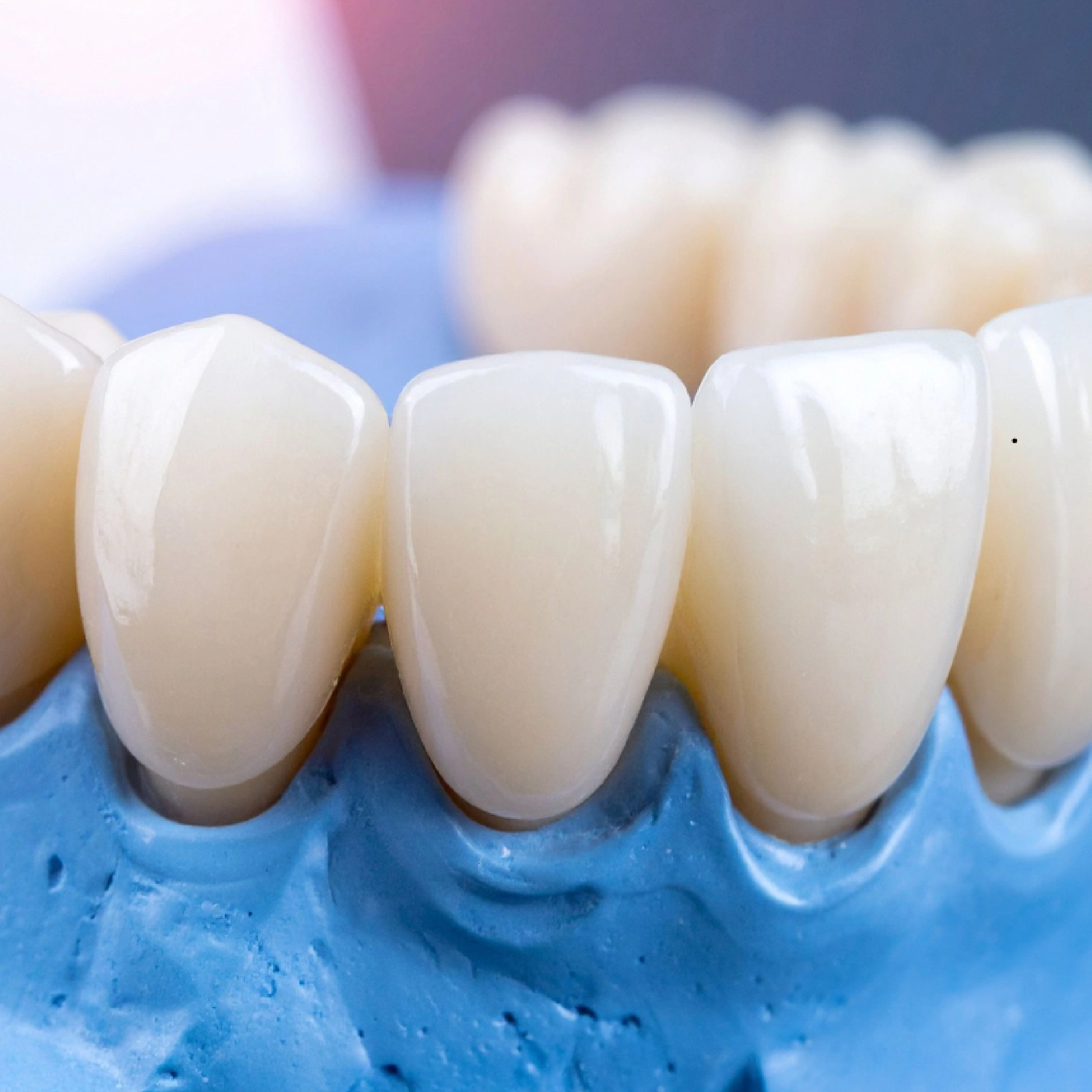
Bridge crown teeth are dental restorations used to fill the gap created by one or more missing teeth. A bridge is made up of two or more crowns for the teeth on either side of the gap. These are called abutment teeth and a false tooth or teeth in between, called pontics. These pontics can be made from materials like porcelain, ceramic, or metal, depending on your needs and budget.
To support the bridge, the dentist molds the adjacent teeth that the crowns will fit over. In this way, the dentist connects the prosthetic to the real teeth and makes crowns the supporting parts. The final outcome is indistinguishable from real teeth, perfectly matching your dental set, and giving back to you both the use and the beauty of your smile.
One positive thing about bridge crown teeth is that they do not necessitate a surgical procedure as implants do, and in most cases, they are less expensive. In addition, they are available instantly. It means that after the installation, you will be able to smile and eat as before.
Veneers for Missing Teeth: When Is It an Option?
You might have come across the idea of veneers for missing teeth and wondered if it’s possible to fill a gap with veneers alone. Veneers are thin shells made of porcelain or composite resin that are bonded to the front of existing teeth to improve their shape, color, or alignment.
However, veneers alone cannot replace a missing tooth because they require an existing tooth surface to attach to. What dentists can do instead is combine bridge crown teeth with veneers to create a more uniform and attractive smile. For example, if you have one missing tooth and other teeth that are discolored or uneven, veneers can be used to enhance the neighboring teeth while the bridge replaces the missing one.
This combined approach gives you the benefits of bridge crown teeth for restoration and veneers for cosmetic enhancement. Together, they bring balance, brightness, and a natural look to your smile.
Can You Get Invisalign with Missing Teeth?
A common question people ask is, Can you get Invisalign with missing teeth? The answer depends on your dental situation. Invisalign gradually shifts teeth to their proper positions with the use of clear aligners. In case you are missing one or more teeth, your dentist will initially look at the condition of the bone and support to verify that the remaining teeth can be moved safely.
In some cases, bridge crown teeth can be placed before or after Invisalign treatment, depending on the plan. For example, Invisalign can be the way to go if you want to mount a bridge later by first aligning the teeth around the space where a tooth is missing. Conversely, the bridge can be used as a reference while designing the aligners so that no movement occurs if the bridge is already fitted.
So yes, it’s often possible to get Invisalign with missing teeth, though it needs your orthodontist and dentist working hand in hand closely to plan it out. Such a team effort guarantees that your teeth will be relocated in a safe manner and at the same time the function and appearance of your bridge crown teeth will be maintained.
Exploring the Different Types of Bridges for Teeth
When it comes to types of bridges for teeth, different types of bridges are available to cover various dental requirements. Every kind of bridge differs in its structure, advantages, and extent of assistance. Comprehending them will assist you in deciding what is best for your smile.
- Traditional Bridge
This is the most common type. They use a crown on each side of the broken or missing tooth. The two crowns hold the fake tooth in the middle. Traditional bridge crown teeth are strong and can be used for the replacement of a single or multiple consecutive teeth. - Cantilever Bridge
The main characteristic of this type is to support the tooth next to the gap. Although it is rarely used nowadays, it can still be used if there is a need to support a single healthy tooth on one side of the space. - Maryland Bridge
The main difference of this bridge from others is that it doesn’t use crowns but a metal or porcelain framework that is bonded to the back of the adjacent teeth. A less invasive method, it serves as an excellent solution for the replacement of the front teeth. - Implant-Supported Bridge
It merges the power of implants with a typical bridge layout. The bridge is fixed to implants instead of teeth, thus providing the most durable and stable alternative.
Any of these tooth bridge variations can make your smile whole again, but the most suitable one largely depends on the state of your mouth, the amount of money you have, and the goals you have for the future. A talk with your dentist about these possibilities will guarantee that you receive a tailored answer.

Why Choose Bridge Crown Teeth Over Other Options
While implants and dentures are also popular solutions, bridge crown teeth offer several unique advantages. They provide instant results, are cost-effective, and require minimal surgery or healing time. For people who prefer a simpler, quicker option that still looks natural, bridges are an excellent choice.
They also help maintain facial shape and prevent remaining teeth from shifting out of position, a common issue when gaps are left untreated. Additionally, bridge crown teeth restore your bite, allowing you to chew comfortably again without worrying about gaps or discomfort.
Another major advantage is how realistic they look. Modern materials like porcelain and ceramic can be color-matched perfectly to your existing teeth, giving you a flawless smile.
The Process of Getting a Bridge Crown Teeth
The journey to restoring your smile with a bridge crown usually takes two or three dental visits. Here’s what happens step by step:
- Consultation and Evaluation
Your dentist looks over your teeth, gums, and general oral health. To get a better picture of the roots of the teeth and the bone, X-rays might be taken. - Tooth Preparation
The teeth adjacent to the gap were reshaped to create space for the crowns. By doing this, it is guaranteed that the bridge will fit tightly and comfortably. - Impressions and Temporary Bridge
An impression of your teeth is taken and sent to the dental lab to create your custom bridge. While waiting, your dentist will place a temporary bridge to protect your teeth. - Final Placement
Once your permanent bridge crown teeth are ready, your dentist tries it on, adjusts it if necessary, and cements it into place. Right away, you will be able to see the difference in your smile and your bite will function properly.
Caring for Your Bridge Crown Teeth
Maintaining your bridge crown teeth is essential to a long-lasting, bright smile. Below are some simple care tips:
- Brush your teeth twice daily using a soft toothbrush and a fluoride toothpaste.
- Use floss threaders or interdental brushes to clean underneath the bridge.
- Keep seeing your dentist for regular check-ups and professional cleanings.
- Do not bite on hard things such as ice or pens to avoid breaking your teeth.
If your bridge crown teeth are well taken care of, they can be functional and aesthetically pleasing for 10 to 15 years or even more.
The Confidence of a Complete Smile
An attractive smile is not only about the external appearance; it is also about the emotional side of the story, specifically, feeling great every time you eat, laugh, or talk. In case you are thinking about veneers for missing teeth to cover it, wondering “ can you get Invisalign treatment with missing teeth” , or wanting to know the different types of bridges for teeth, the answer is that there will always be a solution available for you that matches your lifestyle and objectives.
Among these choices, bridge crown teeth remain one of the most reliable and affordable ways to restore your natural smile. They bring back your comfort, function, and beauty, all in one treatment.
If missing teeth have been the reason for you to hide your smile, now is the time to change that. Find out from your dentist how easy and life-changing a bridge crown tooth can be. Surely, you deserve to smile without hesitation once more.