Introduction
Preparing properly for your root canal therapy appointment, after determining the signs you need a root canal, can help make the experience smoother and more comfortable, and improve dental health. Here are a few helpful tips to follow:
- Follow your dentist’s instructions:
Your dentist or endodontist may give you specific directions before your appointment. These may include avoiding certain medications or foods, especially if sedation or antibiotics are involved. - Eat before your visit:
Since your mouth will be numb for several hours after the procedure, it’s best to eat a light meal beforehand. Avoid chewing on the side of the affected tooth to prevent discomfort. - Share your medical history:
Inform your dentist about any health conditions, allergies, or medications you’re currently taking. This helps them choose the safest anaesthetic and plan your treatment accordingly. - Ask questions:
If you’re nervous or unsure about the procedure, don’t hesitate to ask your dentist to explain each step. Understanding what will happen can significantly reduce anxiety and help you feel more confident. - Discuss treatment costs:
Before the procedure, have a clear conversation about the costs and available payment options. Knowing what to expect financially can help you prepare without stress.
By following these steps and maintaining open communication with your dentist, you can approach your root canal therapy calmly and know how to relieve severe dental pain.
How Soon Will I Recover After Root Canal Therapy?
Recovery after a root canal therapy is usually smooth and relatively quick. Most people are able to return to their normal activities within a day or two, though it’s common to experience mild pain, tenderness, or discomfort for a few days after the procedure, and you will see how to relieve severe dental pain. This is a normal part of the healing process as the tissues around the treated tooth adjust and recover from inflammation.
Your dentist or endodontist is the best person to advise you on your individual recovery timeline. The healing period can vary depending on factors such as the extent of the infection, the complexity of the treatment, and your overall dental health.
To ensure a comfortable recovery, it’s a good idea to ask your dentist the following questions after your treatment:
- What pain relief can I use if needed?
Most patients can manage discomfort with over-the-counter pain relievers such as ibuprofen or paracetamol. Your dentist may prescribe stronger medication if necessary. - Can I eat and drink normally after the procedure?
You can usually eat once the numbness wears off. It’s best to start with soft foods and avoid chewing on the treated side until your permanent restoration (filling or crown) is placed. - When can I return to work, school, or other activities?
Many people return to their daily routines immediately, but if your treatment involved several canals or was complex, your dentist may suggest resting for a day.
Following your dentist’s post-treatment instructions, such as avoiding hard or sticky foods, maintaining good oral hygiene, and attending follow-up visits, will help promote faster healing and protect the treated tooth.
What Complications Can Happen?
While root canal therapy is considered a safe and highly effective procedure, like any medical treatment, it can occasionally involve complications. Some possible issues include:
- Overfilling or underfilling the canal:
If too much or too little filling material is placed, the tooth may need additional treatment to ensure it’s properly sealed. - Instrument fracture:
A tiny dental health file used to clean the canals might break and become lodged inside the tooth. In most cases, this can be managed by a specialist. - Injury to the root or surrounding tissues:
Rarely, the root may be perforated or irritated during treatment. - Tooth discoloration:
The treated tooth may darken slightly over time, though this can often be corrected with internal whitening or a crown. - Recurrent infection:
If bacteria re-enter the canals, the infection can return. In such cases, a repeat root canal therapy or additional procedure may be needed.
In a few cases, if the infection is severe or the tooth cannot be saved, extraction (tooth removal) may be the only option. However, this is relatively rare when treatment is done correctly and followed by proper dental health care.
Are There Alternatives to Root Canal Therapy?
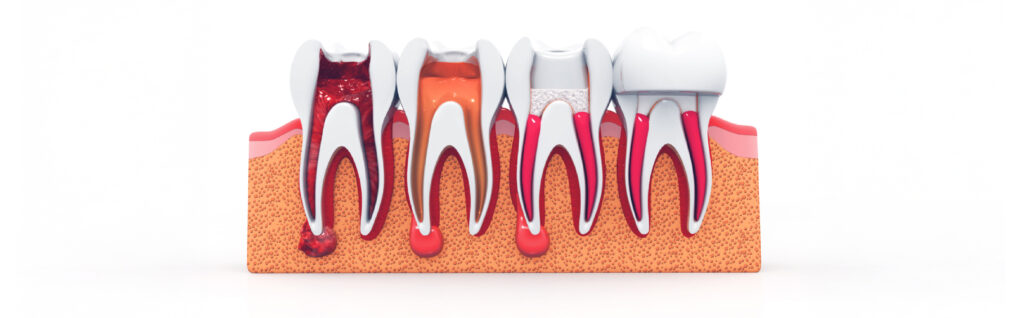
If your tooth is badly damaged or infected, one alternative is to have the tooth removed entirely. After extraction, you can discuss options for replacing the missing tooth with your dentist, such as a dental implant, bridge, or partial denture.
However, most dentists and endodontists recommend saving the natural tooth whenever possible, since keeping your original tooth helps maintain bone structure, prevents neighboring teeth from shifting, and allows you to chew naturally.
Before making a decision, it’s best to have an open discussion with your dentist about all available options, including the pros, cons, costs, and long-term outcomes of each choice. This will help you make an informed decision that supports your dental health and comfort in the long run.
What Happens If I Decide Not to Have the Procedure or If It’s Delayed?
Choosing to delay or avoid root canal therapy can lead to serious dental health complications over time. When the pulp inside your tooth becomes infected or damaged, bacteria begin to multiply within the root canal system. Without treatment, this infection can spread deeper into the root tip and surrounding bone, leading to an abscess, a painful pocket of pus caused by bacterial buildup.
An untreated root canal infection can also cause chronic inflammation, which may lead to bone loss, severe swelling, or even the spread of infection to other parts of the body in extreme cases. Over time, the pain may subside temporarily if the nerve dies, but the infection will continue silently, damaging the tissues and bone around the tooth. Eventually, the tooth will become loose and may need to be extracted (removed) entirely.
Delaying treatment can also make the infection more difficult and expensive to treat later, as the damage spreads to nearby teeth or bone. In short, postponing root canal therapy not only risks your tooth but can also affect your overall dental health.
Risks and Benefits of Root Canal Treatment
Benefits of Root Canal Treatment
Root canal treatment is one of the most effective ways to save a severely damaged or infected tooth. Most root canal procedures are highly successful and can last for many years, often for a lifetime with proper care. The major benefits include:
- Eliminating infection:
The treatment removes infected tissue and bacteria from inside the tooth, addressing the source of pain and infection directly. - Preventing further spread of infection:
By cleaning and sealing the canals, the procedure prevents bacteria from spreading to the jawbone, gums, or other teeth. - Saving your natural tooth:
Unlike an extraction, a root canal treatment preserves your original tooth, allowing you to chew naturally, maintain your bite alignment, and keep your smile intact. - Restoring normal function and comfort:
Once treated, the tooth functions normally again and the pain or sensitivity disappears. - Providing long-term durability:
With a proper crown and good oral hygiene, a tooth that has undergone a root canal treatment can remain healthy and strong for decades.
Risks or Complications of Root Canal Treatment
While the root canal procedure is generally safe and has a high success rate, there are some risks and potential complications, especially when the tooth has been severely damaged or previously treated. These may include:
- Persistent or recurrent infection:
If any bacteria remain in the canal or if the tooth is not sealed properly, infection may return and require re-treatment. - Complex root structure:
Some teeth have unusually shaped or hidden canals that can make it challenging to completely clean and seal the tooth in one procedure. - Fracture or damage to the tooth:
A weakened tooth may sometimes crack before or after treatment, especially if it’s not properly protected with a crown. - Instrument fracture:
In rare cases, a dental health file used to clean the canals may break inside the tooth. Most of the time, it can be managed safely, but it may require additional care from an endodontist.
If a root canal treatment is unsuccessful due to extensive damage or reinfection, your dentist may recommend retreating the tooth, performing an apicoectomy (a minor surgical procedure at the root tip), or extracting the tooth and replacing it with a dental implant or bridge.
Additional Common Questions
Do Root Canals Hurt?
One of the most common concerns patients have about root canals is whether the procedure is painful. Thanks to modern dental health techniques and effective local anesthesia, a root canal treatment today is no more uncomfortable than getting a regular dental filling. During the procedure, your dentist ensures that the area around the tooth is completely numb, so you shouldn’t feel pain, only mild pressure or movement as the dentist works.
After the procedure, it’s normal to experience some mild soreness or tenderness in the treated area for a few days. This happens because the surrounding tissues may still be inflamed or adjusting to the healing process. Over-the-counter pain relievers such as ibuprofen or acetaminophen are usually enough to ease any discomfort.
However, if you notice that your tooth pain becomes worse after treatment, especially if it throbs or feels swollen, contact your dentist or endodontist as soon as possible. In some cases, this may mean that a small amount of infected tissue remains and needs further care. Your provider’s goal is always to ensure that you stay comfortable, pain-free, and confident throughout your recovery.
A Note from Grace Dental
If you’re dealing with a lingering toothache, sensitivity to hot or cold, or pain when biting down, you may have an infected tooth that requires attention. These types of infections won’t heal on their own and the longer you wait, the more serious the damage can become.
At Grace Dental, we understand that needing a root canal treatment can sound intimidating, but our experienced team is here to guide you through every step of the process. We’ll explain your treatment options clearly, ensure your comfort, and use the latest technology to make your experience as smooth and stress-free as possible.
To help prevent future root canal treatments, it’s important to practice good oral hygiene every day. Remember to:
- Brush your teeth after meals using a fluoride toothpaste.
- Floss daily to remove plaque and food particles between teeth.
- Visit your dentist regularly for professional cleanings and checkups.
These small daily habits can go a long way in keeping your smile healthy, strong, and free from infection.
Care at Grace Dental
At Grace Dental, we believe that quality dental health is essential for maintaining lifelong dental health and confidence. Our compassionate team of dental health experts offers treatment plans depending on the signs you need a root canal, tailored to your needs, from preventive care and restorations to advanced endodontic procedures like root canal treatment.
Our mission is simple: to keep you smiling comfortably and confidently for years to come. Whether you’re here for routine care or a more complex procedure, you can trust Grace Dental to provide expert care with a gentle touch.
In Summary
Root canal treatment offers a safe, effective, and long-lasting solution to preserve your natural tooth and stop infection from spreading after determining the signs you need a root canal. On the other hand, delaying or avoiding treatment can lead to worsening pain, abscess formation, and eventual tooth loss, so you should know how to relieve severe dental pain. By acting promptly and following your dentist’s advice, you can protect both your dental health and overall well-being for the long term.
References:
https://www.nhs.uk/tests-and-treatments/root-canal-treatment
https://my.clevelandclinic.org/health/treatments/21759-root-canal