Introduction
At Grace Dental in Florida, we hear many questions from patients every day about their teeth and comfort after treatment, especially about tooth sensitivity after filling. We want to explain things simply so you can feel calm and understand what to expect after your visit. This short paragraph shares clear steps and friendly advice from our team in simple words for readers like you. A common worry is tooth sensitivity after filling, and we will talk about why it happens and when it is normal. We speak in plain language and avoid jargon so you can quickly use the advice at home.
At our clinic, we often see people concerned about small shocks or sharp pain when they bite or drink very hot or cold fluids. We explain that mild tooth sensitivity after filling is normal because the nerves inside the tooth react to the dental work. Many factors play a role, and a gentle routine of care usually helps. This paragraph shares simple reassurance and tells you what to watch for as the tooth settles. We promise to listen and to act quickly if anything looks unusual.
Different types of dental fillings
Some patients wanta clear cause-and-effect before they feel calm again. Common causes include how deep the cavity was, whether the procedure reached close to the nerve, or if the bite changed after the filling. Knowing the types of dental fillings can also explain some differences in how teeth behave after work. A filling that changes thermal conduction or that sits a little high can create pressure or temperature sensitivity. We check the bite and the edges of the filling and make small changes to stop pressure pain quickly.
How long does a temporary dental filling last
Many people call us and ask, “How long does a temporary dental filling last?” and this is a smart question if you have a stop-gap material placed for a short time. Temporary fillings protect the tooth until a permanent restoration is ready. They are softer and not made to last like permanent options. With care, a temporary filling can serve its purpose for weeks, but it is best to plan the follow-up in advance so the tooth does not get exposed or reinfected while you wait for the final work to be placed.
What does a temporary dental filling mean?
If you have a temporary filling, avoid sticky candies and hard foods that might loosen it. Chew opposite the treated side if possible and keep up gentle brushing and flossing. If a temporary comes out early, call your dentist and keep the area as clean as you can. Knowing how long a temporary dental filling lasts and what to do if it changes will save you time and worry. Grace Dental helps schedule permanent treatment so the tooth gets full protection without delay.
When deciding what to use in your mouth, understanding the types of dental fillings helps.
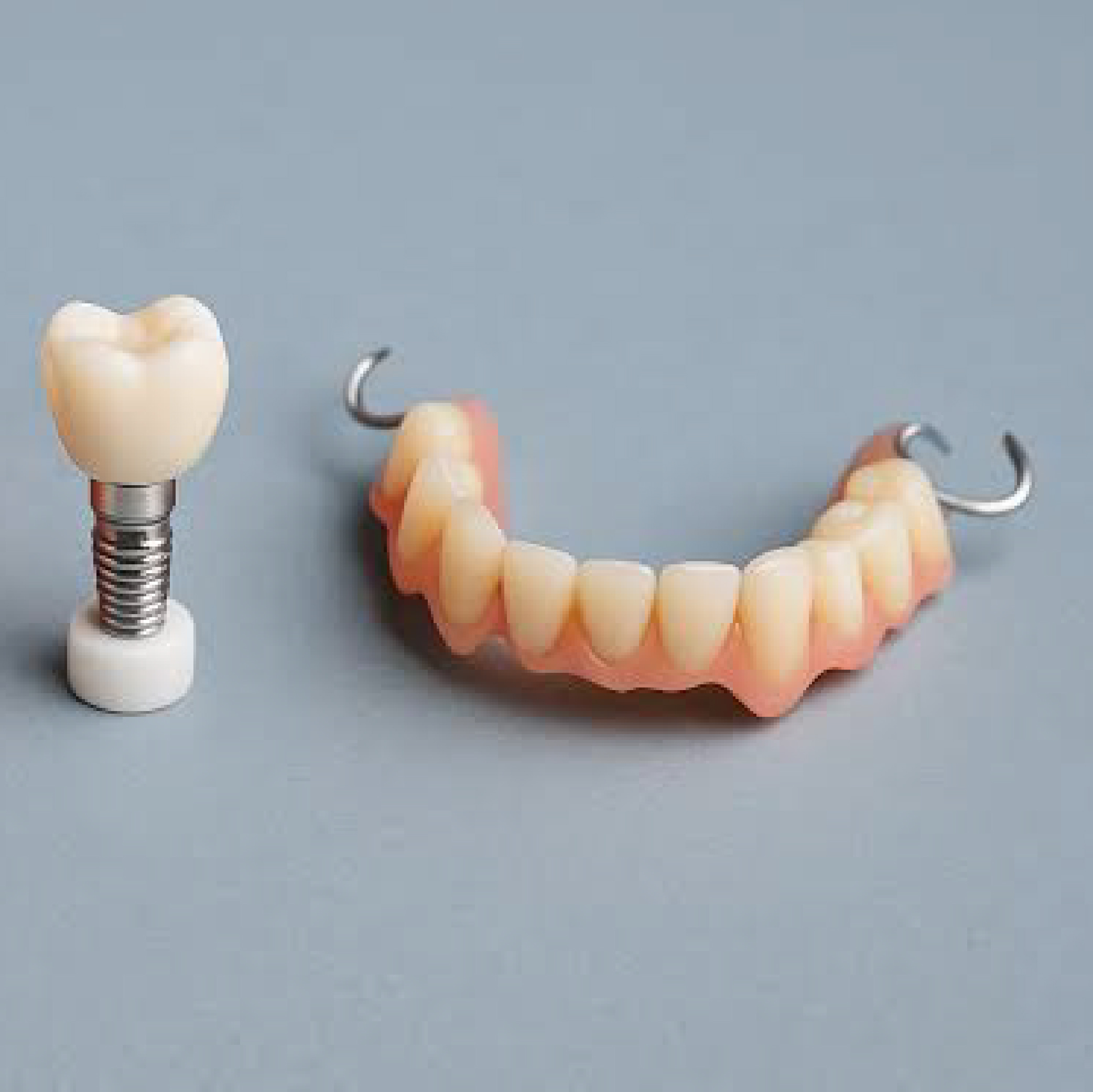
Common options include tooth-colored composite resin, silver amalgam, glass ionomer that releases fluoride, ceramic, and even gold in some cases. Each material works differently, and each has its own feel. Your dentist will suggest the choice that balances strength, looks, and how it will behave with temperature and pressure. We explain everything before treatment, so you know why we picked a material for your specific tooth.

Reduce tooth sensitivity after filling at home
At home, simple measures help reduce tooth sensitivity after filling while the area heals. Use a soft-bristle brush and a sensitivity toothpaste if the tooth reacts to cold. Warm salt rinses can calm the area, and over-the-counter pain relievers often help for the first few days. Avoid very hot or icy drinks until the tooth settles. If you have persistent sharp pain or swelling, call the dental office because sometimes sensitivity is a sign of a deeper problem that needs attention.
Take care of your filling at the clinic to avoid tooth sensitivity after filling
In the dental chair, our team takes steps to prevent long-lasting discomfort. We protect the nerve with a liner or bonding layer if the cavity is deep. We check how your teeth meet when you bite and smooth any high spots. If the bite is the problem, we reshape the filling right away to stop pressure sensitivity. Good technique reduces how often patients experience tooth sensitivity after filling and speeds the return to comfortable chewing.
Effect of temperature on sensitivity
Temperature sensitivity happens because some materials transmit heat and cold more easily than others. That is why a tooth can feel sharp with ice cream or hot soup after work. This reaction usually fades as the nerve calms and the filling settles. If the pain is severe, long-lasting, or gets worse over weeks, your dentist will examine the tooth and may take an X-ray to look for signs of nerve inflammation. Early checks help avoid the need for more invasive care.
Things you need to be careful of!
If a filling is cracked, leaks, or decay returns under it, sensitivity can return or persist. In many of those situations, replacing the filling or placing a crown brings relief. If the nerve is badly inflamed and pain does not subside, root canal treatment may be needed to remove the inflamed tissue and preserve the rest of the tooth. The good news is that most sensitivity after filling resolves with small fixes and patient follow-up.
Knowing more about the types of dental fillings makes choices easier at the dentist visit. Composite resin gives a natural look, amalgam gives strength on biting surfaces, and glass ionomer can be helpful near gum lines and in certain repairs. Ceramic and gold last well when you want a lasting restoration. Your dentist will explain the trade-offs so you get a long-lasting result that fits your budget and needs, and lowers the chance of future sensitivity after filling.
If you grind your teeth, that habit can make fillings wear out and cause sensitivity after filling because of extra pressure. Tell your dentist if you clench or grind and ask if a night guard might help. Also report allergies or past bad reactions to materials so we can select the best option. Good history and a tailored plan reduce the chances of ongoing pain and make the solution more predictable.
How long does a temporary dental filling last in each particular case
If you wonder how long a temporary dental filling lasts in your particular case, ask your dentist for the expected timeline. The answer depends on the material and the reason the temporary dental filling was placed. Planning the permanent restoration quickly keeps the tooth sealed and lowers the chance of new problems. If you notice signs like a bad taste, swelling, or increasing pain, call right away so the clinic can act before the issue grows.
When a filling is placed, a short follow-up visit is useful for large restorations. We can check the bite, make small adjustments, and confirm that any sensitivity is fading. At Grace Dental, we often see patients return saying the small shock or twinge they felt after the filling has eased. Education helps. Taking simple steps at home and quick checks in the office prevent most long-term problems involving tooth sensitivity after filling.
Talk to your dentist about tooth sensitivity after filling
Talking plainly with your dentist helps you feel safer and more in control. Ask which of the types of dental filling recommended for you will be used and why. Ask what the signs mean, you should call. Keep the phone number handy and book the follow-up the dentist recommends. A little attention early means a stronger tooth later and less chance of emergency visits or more invasive work.
Most people who follow care advice see sensitivity fade in a few days to a few weeks. If the pain remains or gets worse beyond a month, call for a check. Knowing when to act is helpful: mild and decreasing sensitivity is normal, persistent sharp pain or swelling is not. We hope this guide lowers your worry and helps you move from treatment to normal life with a strong, comfortable tooth.
conclusion
Finally, a healthy mouth and regular visits keep your teeth predictable and reduce surprises. If you ever feel unsure about a new pain, a quick call gives you peace of mind and keeps small issues small. We wrote this guide in plain English to be practical and friendly. If you want more tailored help, visit us at https://thegracedental.com/, and we’ll schedule a quick check to make sure your smile feels great.
References:
https://my.clevelandclinic.org/health/treatments/17002-dental-fillings
https://www.healthline.com/health/temporary-filling
https://www.healthline.com/health/tooth-sensitivity-after-filling