Introduction
Achieving a complete smile restoration is one of the most life-changing choices you can make for your health and confidence. When you are living with missing teeth, it affects everything from how you chew your food to how you feel when laughing with friends. At Grace Dental, we meet people every day who feel nervous about hiding their teeth behind their hands or skipping out on their favorite Florida meals. The good news is that modern dentistry makes it easier than ever to bring back your natural smile.
Why Smile Restoration Matters For Your Health
When people think about a smile restoration, they usually focus on how their teeth will look in photos. While looking great is a huge bonus, the real benefits go much deeper than what you see on the surface. Missing teeth can cause your remaining teeth to shift out of place, making it hard to clean them properly. Over time, this leads to an increased risk of gum disease and extra tooth loss.
Your jawbone also needs the constant pressure of chewing to stay strong. When a tooth root is missing, the bone underneath starts to shrink. This change in your bone shape can alter your facial structure over time, making your cheeks look a bit hollow. Starting your journey toward a full smile restoration helps keep your jaw healthy and preserves your natural facial shape.
Finding the Right Path for You
Every person who walks into our clinic has unique goals and a different medical history. That is why there is no single plan that works for everyone. Some people only need to replace a single tooth after an accident, while others need to replace a whole row of teeth after years of wear and tear.
When you sit down with a dentist to discuss a smile restoration, you will talk about your daily habits, your budget, and how you want your teeth to feel. A successful treatment plan should make your mouth look beautiful while also making sure you can bite into a crisp apple without any worry.

The Big Debate: Dental Implants vs Dentures
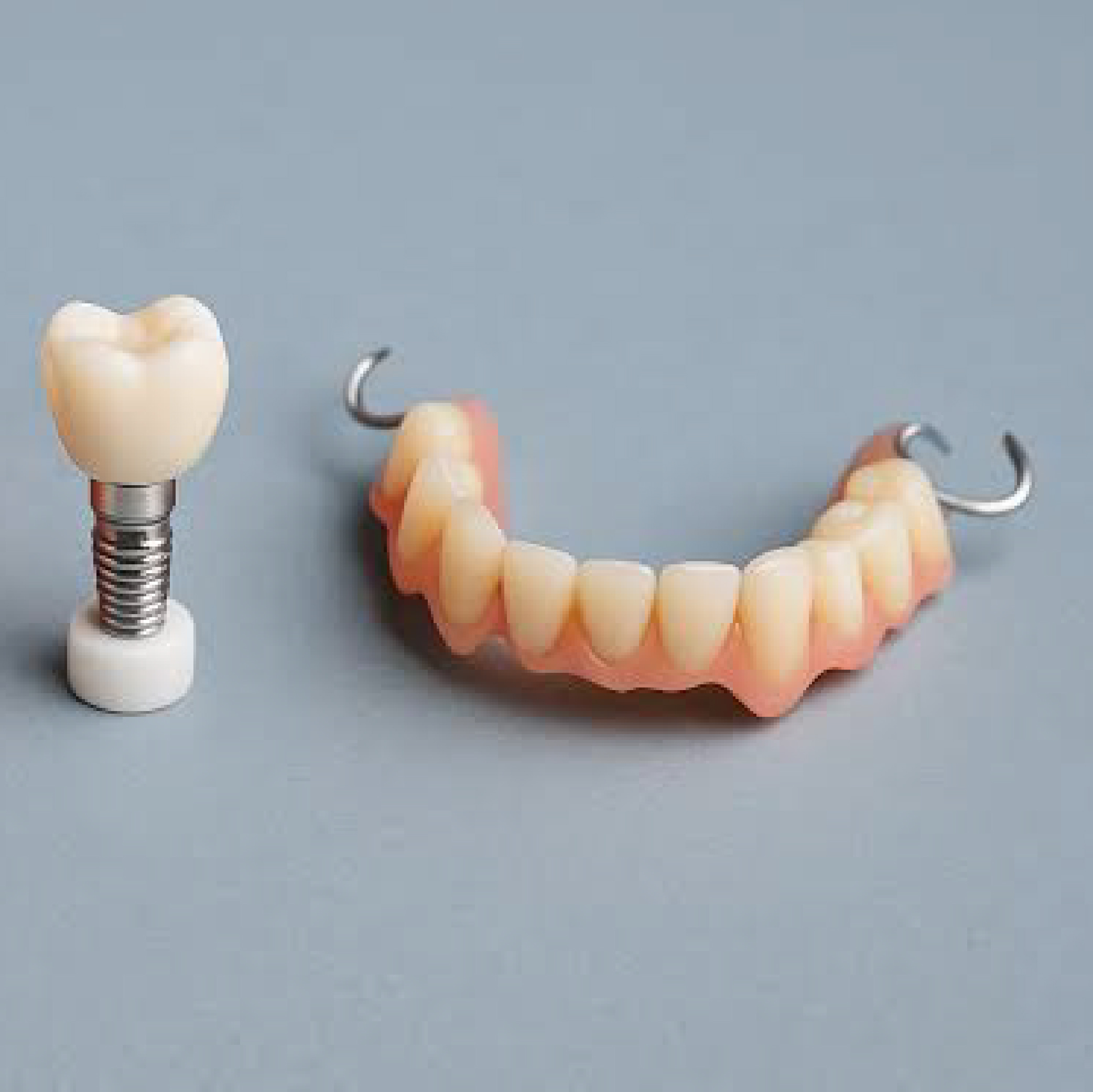
When you start researching how to replace missing teeth, you will quickly find that the most common debate centers on dental implants vs dentures. Both options have helped millions of people smile restoration, but they work in completely different ways.
To help you understand your choices, let us take a close look at how these two options compare:
- How They Stay in Place: Traditional dentures rest on top of your gums and rely on natural suction or special dental adhesives to stay still. On the other hand, an implant connects directly to your jawbone, acting just like a natural tooth root.
- Chewing Power: Because dentures sit on top of the moving tissues of your mouth, they can sometimes slip when you eat tough foods. This makes comparing dental implants vs dentures easy when it comes to function, as implants give you full, natural biting strength.
- Bone Health: Traditional dentures do not stop your jawbone from shrinking over time. Implants actually stimulate the bone, which stops the bone loss process completely.
- Long-Term Value: Dentures usually cost less upfront, but they need to be remade or adjusted every few years as your mouth changes shape. Implants cost more in the beginning, but they can easily last for the rest of your life if you take care of them.
- Daily Maintenance: Dentures must be taken out at night and soaked in a special cleaning liquid. Implants stay permanently in your mouth, so you just brush and floss them exactly like your original teeth.
Looking at dental implants vs dentures helps you decide whether you prefer a quick, non-surgical fix or a permanent, long-term investment. Many patients tell us that weighing dental implants vs dentures comes down to how much they value convenience and a natural feel. No matter which side of the dental implants vs dentures choice you lean toward, our team can help guide you to the safest option for your body.
Deep Dive into Implant Restoration
If you decide that a permanent option is best for you, you will likely look into a customized implant restoration. This term refers to the visible, custom-made part of your new tooth that connects to the hidden titanium post. It is the final piece of the puzzle that makes your smile restoration look whole again.
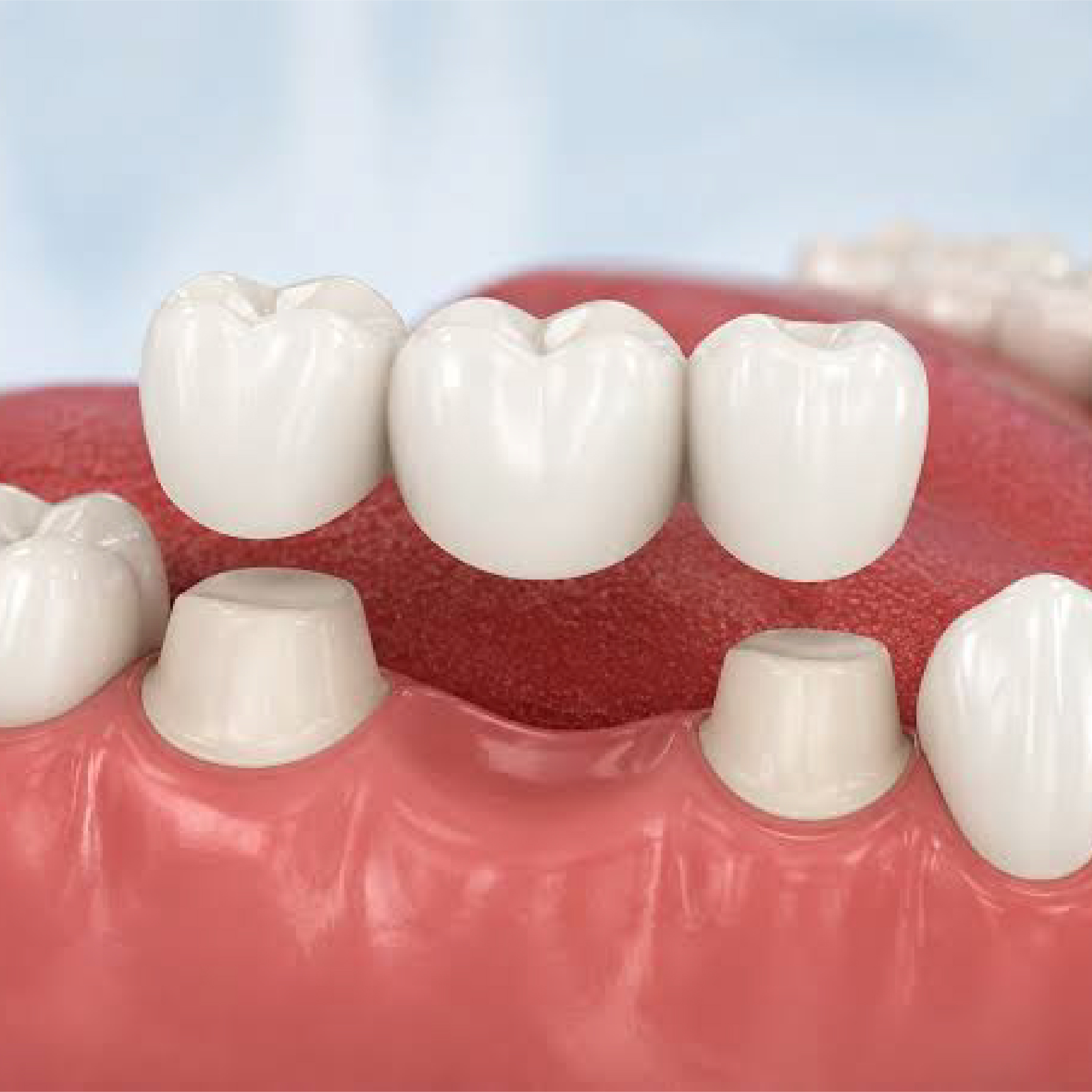
An implant restoration can take a few different forms depending on how many teeth you need to replace:
| Type of Restoration | Best Used For | How It Attaches |
| Dental Crown | Replacing a single missing tooth | Screwed or cemented onto a single implant post |
| Implant Bridge | Replacing a few missing teeth in a row | Anchored to two implants on either side of the gap |
| Implant-Supported Denture | Replacing an entire upper or lower arch of teeth | Snaps securely onto four to six strategically placed implants |
Getting a high-quality implant restoration ensures that your new teeth match the exact shade, shape, and size of your natural teeth. Our goal with every single implant restoration is to make sure nobody can tell which tooth is the replacement. When your custom implant restoration is finally placed, it restores your natural bite alignment so your jaw muscles can relax. Taking care of your implant restoration is simple, requiring only normal brushing and regular dental checkups.
Step-by-Step: The Dental Implant Procedure Steps
Getting an implant is a journey that takes time, but breaking down the dental implant procedure steps helps take away the mystery. This is a multi-stage process designed to give your new teeth the strongest possible foundation.
Here is what you can expect during each phase of the treatment:
Step 1: The Initial Consultation and 3D Imaging
Your dentist will take detailed 3D digital scans of your mouth to check your bone density. This step ensures your jaw is strong enough to hold the titanium post. If your bone is too thin, your dentist might suggest a bone graft to build up the area first.
Step 2: Placing the Implant Post
During this surgical visit, the dentist places a small titanium post deep into your jawbone. This post acts as the new root for your tooth. You will receive local anesthesia, so you will not feel pain during the surgery, and you will spend the rest of the day resting at home.
Step 3: The Healing and Osseointegration Period
This is the most critical of all the dental implant procedure steps. Over the next three to six months, your jawbone naturally grows around the titanium post in a process called osseointegration. This creates a permanent, strong bond that holds the post firmly in place.
Step 4: Attaching the Abutment Piece
Once the healing is complete, your dentist will place a small connector piece called an abutment on top of the implant post. Your gum tissue is then given a week or two to heal around this small extension, keeping the path clear for your new tooth.
Step 5: Crafting and Fitting Your Final Custom Crown
Finally, your dentist takes precise molds of your mouth to create your custom crown. This final stage of the dental implant procedure concludes when the crown is securely attached to the abutment, leaving you with a beautiful and fully functioning tooth.
Understanding these dental implant procedure steps can help you plan your schedule and feel calm throughout the process. While completing all the steps requires patience, the lifelike results are worth the wait. Knowing what to expect also makes it easier to communicate with your dental team during your recovery.
Your New Smile restoration in Florida
Living in the Sunshine State means enjoying outdoor gatherings, fresh seafood, and smiling with confidence every single day. If you are ready to explore your options, you can read more about our personalized services directly on the Grace Dental website. We believe that your care should be close to home and completely tailored to your personal routine.
During your first visit, we do not just look at your X-rays. We listen to your stories, your worries, and your dreams for your smile restoration. We want to know what your favorite foods are and how missing teeth have impacted your daily confidence. This human approach helps us build a treatment plan that fits your life perfectly.
Common Questions Patients Ask Us
It is completely normal to have a long list of questions when thinking about a major dental transformation. Here are a few of the things our patients ask most often during their initial visits:
Does the process hurt?
The surgical placement of the post is done under local numbing, so you will not feel pain while the dentist is working. Afterward, you might feel some mild swelling or soreness for a few days, similar to how it feels after a standard tooth extraction. Most patients find that over-the-counter pain relievers are more than enough to handle the discomfort.
How long do these new teeth last?
While things like traditional bridges might need replacement every decade, implants are built for the long haul. The titanium post itself can easily last a lifetime because it fuses with your live bone. The custom crown on top might experience normal wear after fifteen or twenty years, but keeping up with your hygiene ensures it stays beautiful for as long as possible.
Am I too old for this treatment?
Age is rarely the deciding factor when it comes to upgrading your smile. What matters most is your overall health and the condition of your jawbone. We have helped young adults who lost teeth in sports accidents, and we have helped grandparents in their eighties who wanted to throw away their slippery traditional dentures for good.
Taking the First Step Forward
Making the decision to fix your teeth is a powerful act of self-care. It is about more than just aesthetics; it is about reclaiming your comfort, your speech, and your ability to enjoy meals with the people you love. You do not have to live with the discomfort or embarrassment of missing teeth any longer.
When you are ready to discuss your options, find a team that answers your questions clearly and treats you like family. Your path to a healthy mouth is a collaborative journey, and having the right support makes all the difference. Turn the page on your dental struggles and discover how simple it can be to get your confidence back.
References:
https://www.healthline.com/health/dentures-vs-implants
https://www.mayoclinic.org/tests-procedures/dental-implant-surgery/about/pac-20384622