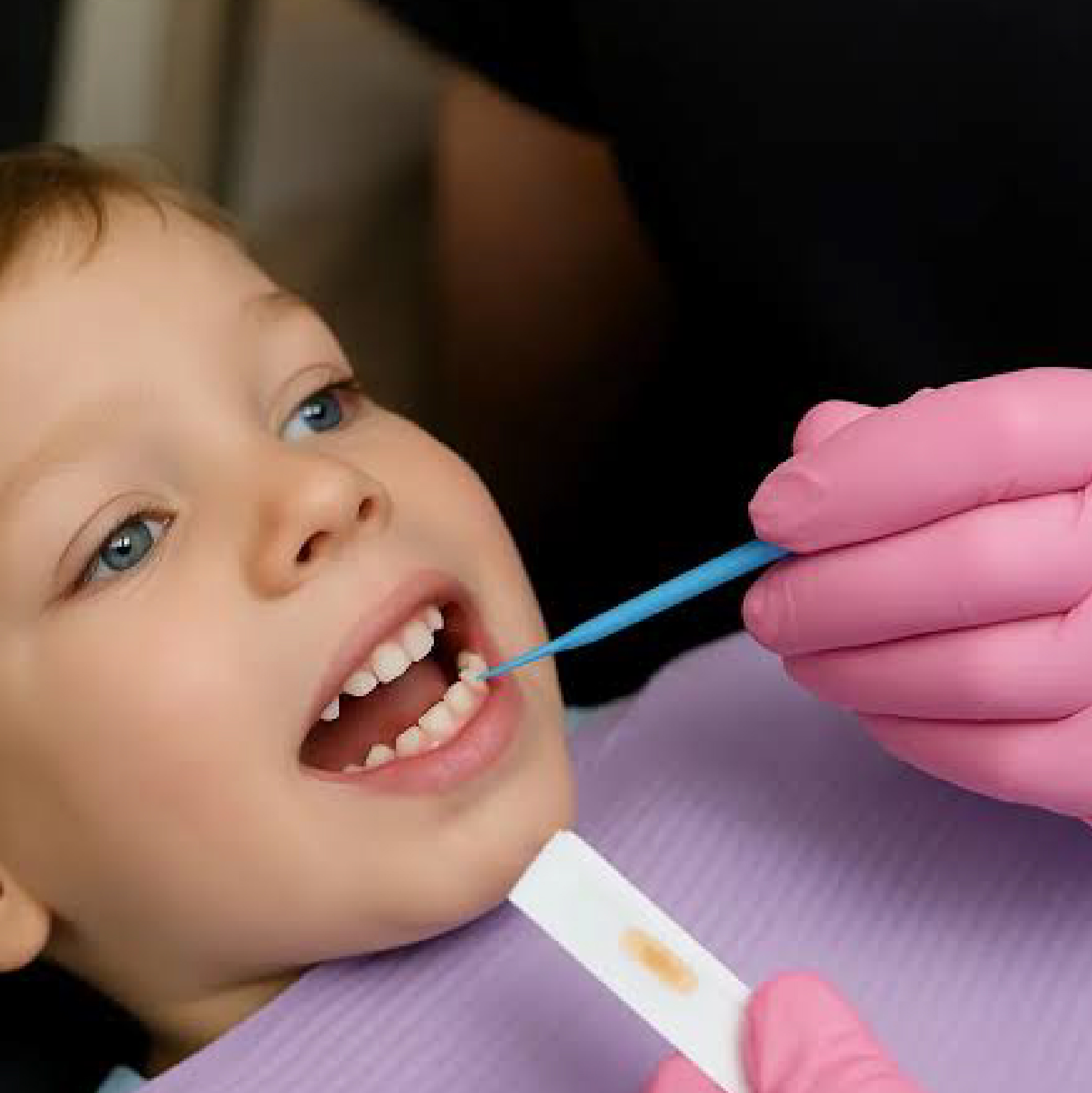
Introduction
When it comes to protecting early smiles, understanding the role of Fluoride for kids is one of the most important steps a parent can take. As a mom or dad, your daily routine is likely packed with a million tiny tasks, from packing lunches to tying shoes. Amid all that chaos, managing your little one’s dental hygiene can sometimes feel like a moving target. You want to build habits that last a lifetime, but you also want to make sure you are doing what is safe and proven to work.
Every milestone in your little one’s growth brings up new questions about health, and their teeth are no exception. For many families, navigating the sea of online advice about oral health can feel overwhelming. Some sources say one thing, while others say the exact opposite. That is why taking a step back to look at the foundational science and the practical, everyday realities of parenting is so helpful. Protecting those pearly whites is about more than just a quick scrub before bed; it is about setting up a protective shield that helps them chew, speak, and smile with confidence for years to come.
Why Early Oral Health Matters More Than You Think
It is a common misunderstanding that primary teeth do not matter much because they eventually fall out. In reality, these early teeth play a crucial role in your child’s development. They hold space for future permanent teeth, help with proper speech formation, and allow for clear, painless chewing. When issues arise early on, they can impact a child’s nutrition, sleep, and performance at school.
If you notice a Child’s teeth are yellow, it might be a sign that the protective outer layer of enamel is thinning or that plaque is beginning to build up. This change in color is often an early warning signal that the teeth need a bit more targeted care. When plaque sits on the enamel for too long, it creates an environment where minerals are stripped away. This discoloration is not just a cosmetic issue; it tells us a story about what is happening on a microscopic level on the tooth surface.
When enamel loses its strength, the door opens for more serious conditions. Left unchecked, a lack of protective minerals can rapidly lead to child teeth decay, causing discomfort and requiring professional treatments to fix. This type of breakdown happens when the bacteria in the mouth mix with sugars from food and drinks, producing acids that slowly eat away at the tooth. Because primary teeth have thinner enamel than adult teeth, this process can move surprisingly fast. That is why catching the early shifts in color or texture is so vital for keeping your child pain-free.

The True Story Behind Fluoride for Kids
To understand how to protect these delicate smiles, we have to look closely at the tools available to us. Mineral protection through public water and targeted applications is a cornerstone of modern preventive dentistry. Using Fluoride for kids helps to remineralize the enamel, making it much more resilient against the daily wear and tear of meals and snacks. It acts like a natural shield, rebuilding areas where mild acid attacks have started to soften the surface.
How Cavities Form & How Minerals Help:
[Sugars + Bacteria] ──> [Acid Production] ──> [Enamel Softens] ──> [Decay Forms]
│
(Fluoride for kids repairs this!)
This mineral compound works in two distinct ways: topically and systemically. Systemic exposure happens when young ones drink tap water that contains ideal mineral levels, helping the adult teeth that are still growing under their gums to develop firmly. Topical exposure, on the other hand, comes directly from brushing with the right toothpaste or getting a professional varnish during a routine visit to Grace Dental. This dual action ensures that teeth are protected both before and after they appear in the mouth.
When you incorporate a consistent routine of Fluoride for kids, you are essentially giving their teeth a chance to repair themselves overnight. Every single day, a quiet battle takes place in your child’s mouth between demineralization (loss of minerals) and remineralization (gain of minerals). When we tip the scales in favor of remineralization, we dramatically reduce the chances of cavities forming in the first place.
Spotting the Signs: Why Are a Child’s Teeth Yellow?
When parents sit down in the dental chair, one of the most frequent questions they ask is about color changes. Seeing a Child’s teeth yellow can cause immediate worry, leaving parents wondering if they have missed a step in their home routine. While it can sometimes point to a simple buildup of surface stains from certain foods or vitamins, it frequently indicates that the enamel is under stress.
Common Causes of Yellowing in Young Smiles:
1. Plaque Accumulation (Soft, sticky bacterial film)
2. Enamel Thinning (Reveals the naturally yellow dentin)
3. External Staining (From dark juices, berries, etc.)
When plaque accumulates, it forms a sticky, pale film that dulls the natural brightness of the smile. If this film is not cleared away regularly through a proper routine of child brushing teeth, it can harden into tartar, which carries a distinct yellowish or brownish tint that cannot be removed at home.
Furthermore, if the enamel begins to wear down due to acid exposure, the underlying layer of the tooth, called dentin, starts to show through. Dentin is naturally yellow, so thinner enamel makes the entire tooth look darker and warmer in tone.
Addressing this discoloration early is the best way to prevent future complications. Ensuring a solid routine of Fluoride for kids ensures that the enamel stays thick, dense, and opaque, which naturally keeps the smile looking healthy and bright. By focusing on both regular plaque removal and mineral support, parents can reverse early softening before it turns into a permanent issue.
Understanding and Preventing Child Teeth Decay
Tooth damage in early childhood is a widespread challenge, but it is also highly preventable. When a parent has to deal with child teeth decay, it can be a stressful experience for both the caregiver and the little one. It usually begins as tiny, chalky white spots near the gumline, which are areas where the enamel has lost its structural minerals. If the conditions in the mouth do not change, these spots eventually break down into permanent cavities.
The Progression of Enamel Breakdown:
[Healthy Tooth] ──> [Chalky White Spots] ──> [Yellow/Brown Shadows] ──> [Cavity Formation]
To combat this process effectively, dental experts consistently emphasize the value of Fluoride for kids. This mineral directly alters the chemical structure of the tooth surface, transforming it into a material that is significantly more resistant to acid attacks. It also slows down the ability of oral bacteria to produce the very acids that cause the damage. Without this kind of active intervention, baby teeth can deteriorate quickly, sometimes leading to infections that affect the permanent teeth waiting underneath.
Enamel Protection Mechanisms:
• Rebuilds weakened enamel layers
• Inhibits acid production by oral bacteria
• Creates a harder, more acid-resistant tooth surface
When parents understand the mechanisms behind child teeth decay, they can take a more active role in managing their family’s oral environment. Reducing sugary snacks, avoiding bedtime bottles filled with juice or milk, and scheduling biannual dental checks are all critical pieces of the puzzle. When combined with targeted mineral defense, these habits create an environment where teeth can thrive without the constant threat of erosion.
The Art of Child Brushing Teeth: A Step-by-Step Routine
Establishing a great home habit is often easier said than done. The daily task of child brushing teeth can sometimes turn into a battle of wills between parents and toddlers. However, consistency is your greatest ally when it comes to keeping plaque at bay and delivering essential minerals to the tooth surfaces. Making the experience lighthearted, predictable, and engaging can completely change how your little one views their bathroom routine.
To get the most out of every session, parents should focus on technique and proper tool selection. A soft-bristled, age-appropriate toothbrush is essential for cleaning delicate gums without causing irritation. For toddlers under three years old, a tiny smear of toothpaste, about the size of a grain of rice, is all that is required. For children aged three to six, you can step it up to a pea-sized amount, always reminding them to spit out the excess rather than swallowing it.
Step 1: Angle the Bristles
Place the brush at a 45-degree angle against the gums. Use gentle, circular motions rather than scrubbing hard back and forth, which can irritate sensitive gum tissue.
Step 2: Clean Every Surface
Make sure to clean the outer, inner, and chewing surfaces of every tooth. Pay extra attention to the back molars, where food particles tend to hide.
Step 3: Brush the Tongue
Gently brush your little one’s tongue to remove lingering bacteria and keep their breath fresh. This also helps them become more comfortable with different textures in the mouth.
Step 4: Spit, Don’t Rinse
Have your child spit out the remaining foam, but avoid rinsing immediately with water. Leaving a thin layer of toothpaste allows the minerals to continue working on the enamel.
Balancing the Equation: Safety, Habits, and Consistency
When managing oral health at home, parents often worry about striking the right balance. They want enough protection to stop child teeth decay in its tracks, but they also want to avoid overexposure. This is a completely natural concern. When young children swallow too much toothpaste over a long period while their permanent teeth are still forming deep in the gums, it can lead to a mild cosmetic condition known as fluorosis, which causes faint white lines on the adult teeth.
This is exactly why supervising the process of children brushing their teeth is so critical during the early years. By monitoring the amount of toothpaste used and encouraging good spitting habits, you gain all the protective qualities of Fluoride for kids without any of the risks. It is all about controlled, topical application rather than internal consumption. Think of toothpaste as a protective topical treatment for the skin; it works beautifully exactly where it is placed, as long as it isn’t swallowed.
Age-Appropriate Toothpaste Guidelines:
┌──────────────────────────┬──────────────────────────┐
│ Under 3 Years Old │ Ages 3 to 6 Years Old │
├──────────────────────────┼──────────────────────────┤
│ Smear the size of a │ A small amount the size │
│ single grain of rice │ of a green pea │
└──────────────────────────┴──────────────────────────┘
If you notice that your Child’s teeth are yellow despite your best efforts at cleaning, it is a great indicator that it is time to reassess the balance of your home routine. Sometimes, a simple adjustment in brushing technique or a minor shift in diet can make all the difference. Maintaining an open dialogue with a trusted pediatric dentist ensures that your home practices are perfectly tailored to your child’s unique growth patterns and risk factors.
Creating a Positive Dental Experience at Home
Turning oral care into a fun, stress-free part of the evening can make a world of difference for a busy family. Children feed on our energy, so if we approach child brushing teeth as an annoying chore, they will likely match that frustration. On the flip side, if we make it a game, a story, or a special bonding moment, they will look forward to standing by the sink with you every morning and night.
Many parents find success by using visual timers, playing a favorite two-minute song, or using charts with stickers to celebrate a week of excellent habits. You can also let your little one pick out their own toothbrush featuring a favorite character or a fun color. Giving them a sense of ownership over the process builds autonomy and pride in their self-care. The ultimate goal is to make oral hygiene feel like a natural, non-negotiable part of their day, just like putting on pajamas or reading a bedtime story.
As these positive habits take root, you will naturally see fewer worries about child teeth decay or unexpected discoloration. Consistency over time builds a healthy oral microbiome and strong enamel structures. By combining these fun home strategies with the targeted protection of Fluoride for kids, you give your child a massive head start on a lifetime of beautiful, functional, and pain-free smiles.
The Value of Professional Guidance and Care
While home care forms the foundation of excellent oral health, it cannot completely replace the watchful eye of an experienced dental team. Professional visits allow providers to catch the earliest stages of enamel breakdown before they turn into deep cavities. Dentists can spot subtle texture shifts, evaluate the deep grooves of new molars, and offer personalized feedback that helps you refine your daily habits at home.
What to Expect During a Pediatric Dental Visit:
• A gentle, stress-free examination of teeth and gums
• Assessment of dental development and jaw alignment
• Professional plaque removal and deep cleaning
• Tailored advice on nutrition and brushing techniques
If you observe that your Child’s teeth yellow or show signs of sensitivity, a professional evaluation can quickly pinpoint the underlying cause. Your dental team can provide custom treatments, such as professional-grade sealants or targeted applications of Fluoride for kids, providing an extra layer of defense that standard over-the-counter products cannot match. These visits also help children build a comfortable, trusting relationship with medical settings, reducing anxiety as they grow older.
For families seeking a warm, patient-centered environment, visiting a dedicated family practice makes all the difference. The team at Grace Dental specializes in keeping appointments gentle, educational, and fun for little ones. By partnering with professionals who understand the unique structural needs of developing mouths, you can step forward with absolute confidence, knowing your child’s smile is in the best possible hands.
References:
https://www.hopkinsmedicine.org/health/wellness-and-prevention/fluoride-for-kids