Introduction
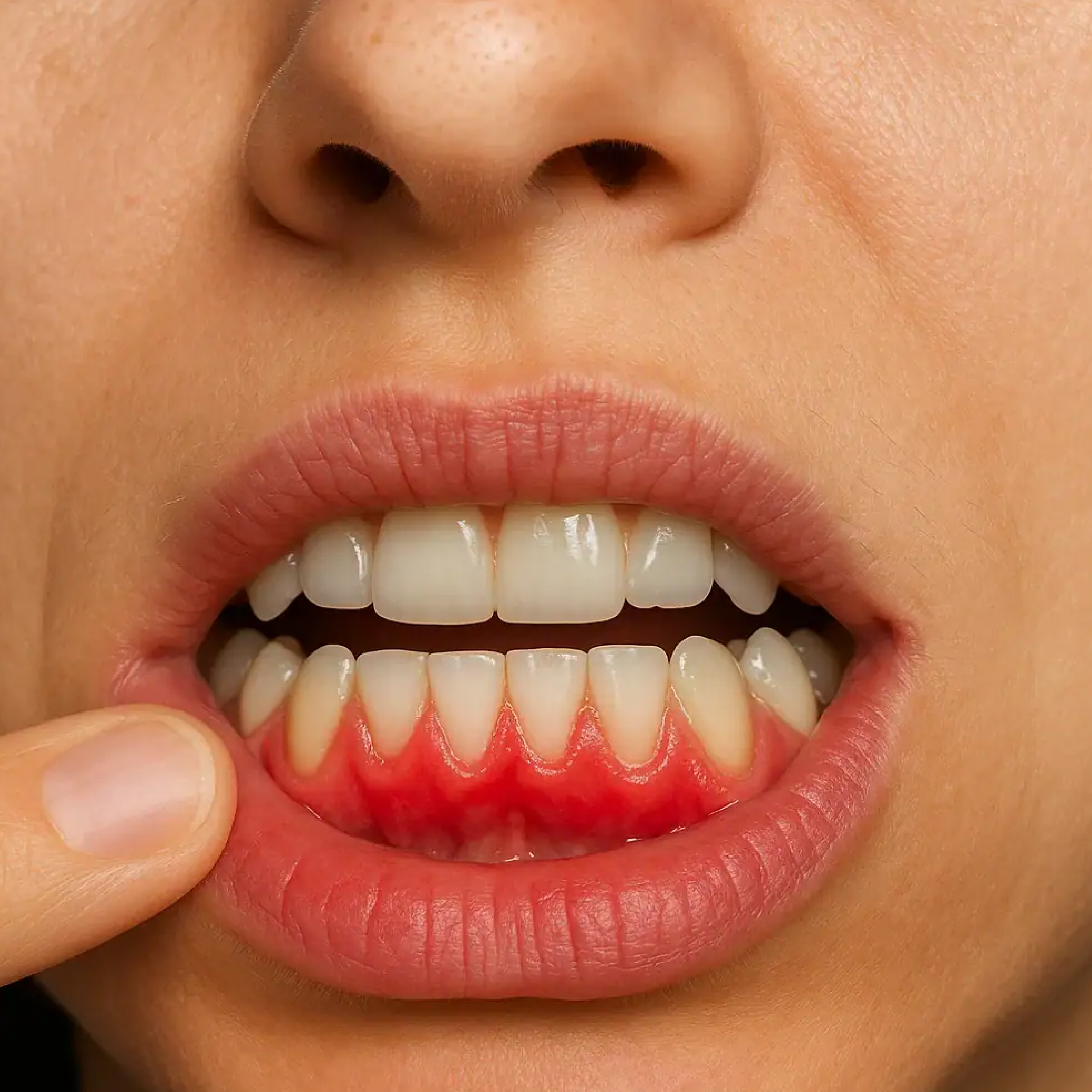
Waking up with sore, swollen, or bleeding gums can ruin your morning routine faster than a cold cup of coffee. If you notice tenderness when brushing or flossing, you are dealing with inflamed gums. This is the kind of issue that lots of people have but think it’s just a harmless, temporary problem and don’t really pay attention to it. Unfortunately, this neglect is not a good idea since it may eventually result in severe problems with their oral health
To learn about how to care for your mouth, you must understand the gum disease stages so that you can act before the situation develops into serious tissue damage. Fortunately, recognizing the early symptoms is an easy way to treat gum disease.
. You can transform your daily oral routine by incorporating routine oral hygiene habits and choosing a toothpaste that has a specific and intensive action against gum disease. If you want to learn how to treat gum disease and eliminate annoying swelling, then this guide gives you the full story on making sure that your mouth is fresh, healthy, and free of discomfort.
What Causes Inflamed Gums?
To stop gum irritation, you first need to understand why your mouth is reacting this way. Inflamed gums occur primarily as a physical defense mechanism against bacteria, debris, and physical stresses inside your mouth.
Formation of Tartar and Plaque
Plaque is responsible for the irritation of gums since it comprises a sticky and transparent lining of germs that continuously develops on teeth. When plaque accumulates on the gums for an extended period, it concretizes into tartar (calculus). Tartar keeps bacteria in proximity to the tissue, thus causing continuous swelling and irritation.
Brushing Too Hard or Flossing Incorrectly
Aggressive scrubbing can wear away your protective enamel and cause badly irritated gums. Always use a soft-bristled toothbrush and gentle, circular motions rather than sawing back and forth.
Hormonal Fluctuations
Hormonal changes during pregnancy, puberty, or menopause increase blood flow to your oral tissue. This surge makes you significantly more vulnerable to inflamed gums, even if your oral hygiene routine remains consistent.
Vitamin Deficiencies
A lack of essential nutrients, particularly Vitamin C and Vitamin B, can weaken your body’s ability to repair soft tissue, quickly resulting in tender and inflamed gums.
Early Symptoms
Catching irritation early prevents long-term complications. You should never ignore persistently inflamed gums, especially if they are accompanied by these common signs:
- Redness and Swelling: Healthy gums look firm and pale pink. Bright red, puffy tissue signals gum inflammation.
- Bleeding During Brushing: If you spot pink in the sink when spit-rinsing, your body is flagging inflammation.
- Bad Breath (Halitosis): Persistent bad breath often stems from bacteria hiding beneath swollen tissue surrounding inflamed gums.
- Gum Receding: Unmanaged inflamed gums can slowly pull away from the base of your teeth, making your teeth appear longer.
Gum Disease Stages: From Gingivitis to Periodontitis
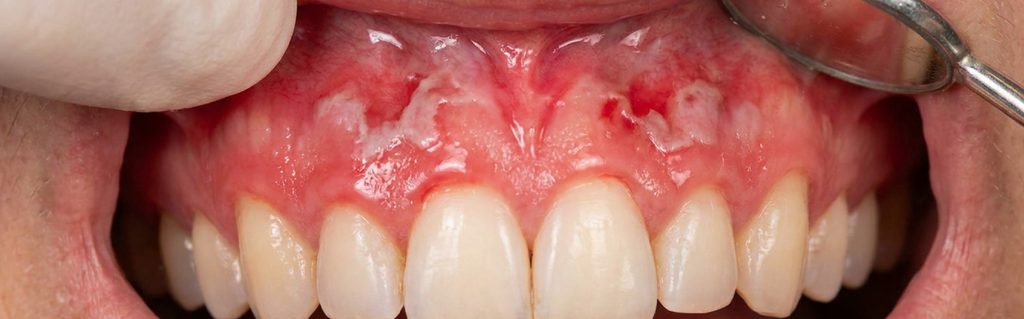
Understanding the specific stages of gum disease is very important for a lifetime of oral health. The development and advancement of gum issues progresses slowly, thus raising the necessity of awareness to protect against them.
Stage 1: Gingivitis
Gingivitis is the first phase, entailing mild inflammation and bleeding of the gums when brushing teeth and performing oral hygiene. The encouraging news about this early point in the gum disease stages is that the underlying bone structure remains entirely intact. Gingivitis is completely reversible with proper home care and professional cleanings.
Stage 2: Mild to Moderate Periodontitis
When untreated inflamed gums persist, gingivitis shifts into periodontitis. At this level of the gum disease stages, bacteria begin eroding the supporting bone and fibers holding your teeth in place. Pockets form between the tooth root and the tissue, trapping even more plaque.
Stage 3: Severe Periodontitis
An ultimate stage of the gum disease process entails complete destruction of the bone. The disease reaches the point where the tissue has receded greatly, pockets are getting deeper, and teeth may become loose and even fall out. At this stage, when the chronically inflamed gums have not been treated, it becomes necessary to intervene in a clinical manner to save the remaining teeth.
Why Fluoride Toothpaste for Gum Disease Is Essential
Many people assume standard toothpaste is enough, but using a targeted fluoride toothpaste for gum disease offers active defense against harmful oral bacteria while protecting your tooth structure. Standard formulas focus mainly on basic cleaning, whereas dedicated options deliver targeted antibacterial action directly below the gumline to actively calm painful gums.
How Fluoride Fights Tissue Irritation
A dedicated fluoride toothpaste for gum disease does more than prevent cavities; it actively remineralizes weakened enamel right along the vulnerable margins of inflamed gums. Active ingredients like stannous fluoride act as a powerful antibacterial barrier, killing microbes before they can trigger swelling around inflamed gums.
Selecting the Correct Toothpaste Formula
If you need fluoride toothpaste to combat gum disease, search for toothpaste varieties that are specially formulated for gingivitis treatments or tissue care. Regular daily use combats plaque-causing acids, reduces hypersensitivity, and provides a healthy environment for the inflamed gums to heal over time.
How to Treat Gum Disease and Calm Irritation at Home
Learning how to treat gum disease effectively involves combining consistent home care routines with trusted professional treatments. You can ease uncomfortable symptoms and support tissue recovery with these practical steps.
Step 1: Upgrade Your Daily Hygiene
The foundational rule of how to treat gum disease starts at home. Clean your teeth twice a day for two full minutes. Focus your toothbrush head at a 45-degree angle toward your inflamed gums to sweep out hidden plaque gently without causing additional mechanical irritation.
Step 2: Use Antibacterial Rinses
Incorporate an alcohol-free antibacterial mouthwash into your daily schedule. Swishing helps kill stray microbes lurking in hard-to-reach pockets around inflamed gums, speeding up overall healing.
Step 3: Try Warm Salt Water Soothes
If you are looking for immediate relief while discovering long-term strategies on how to treat gum disease, dissolve half a teaspoon of salt in warm water and rinse for 30 seconds. Salt acts as a natural disinfectant and draws excess fluid out of swollen, inflamed gums.
Step 4: Schedule Professional Cleanings
No matter how thorough your home hygiene routine is, hardened tartar requires expert tools. A dental hygienist can perform scaling and root planing to thoroughly clean beneath inflamed gums and smooth out root surfaces.
Easy Changes to Strengthen Your Gums
Daily routines involve more than just cleaning your teeth at home. What you do every day affects whether or not you have constant inflammation in your gums.
1. Eat Nutrient-Dense Foods
You can strengthen your immune system by getting a sufficient supply of vegetables, fruits such as berries and citrus fruit, and proteins that are lean. For instance, eating fruits rich in vitamin C will help reinforce collagen fibers in your skin, which in turn will promote healing from serious gum inflammation.
2. Stay Well Hydrated
Drinking enough water encourages the formation of saliva. Saliva plays an important role in keeping your mouth healthy because it helps remove food particles from your mouth and neutralizes acids harmful to gum health.
3. Manage Stress Levels
High stress elevates cortisol levels in your body, which triggers systemic inflammation and hinders your body’s immune system. This makes it significantly harder for inflamed gums to heal from minor daily irritations.
4. Quit Smoking and Tobacco Use
Tobacco restricts vital blood flow to soft tissues, concealing symptoms like bleeding while silently worsening internal damage. Quitting smoking is one of the single best moves you can make to heal inflamed gums.
When to See a Dentist
While minor swelling often responds well to improved home care, persistent issues require professional evaluation. You should book a dental appointment promptly if you notice:
- Severe pain or throbbing around inflamed gums that interferes with eating or sleep.
- Pus or discharge coming from the space between your teeth and tissue.
- Visible pulling back of the tissue from your teeth.
- Teeth that feel loose, shift positions, or affect your natural bite.
- Swelling or bleeding that lasts longer than two weeks despite improved home habits.
Taking Control of Your Oral Health
Dealing with sore, red, or inflamed gums can feel frustrating, but you have full power to turn your oral health around.
By understanding the progressive gum disease stages, you can catch early warnings like gingivitis long before permanent damage occurs. Incorporating a clinically proven fluoride toothpaste for gum disease into your morning and evening routines builds an active barrier against persistent plaque and remineralizes your enamel right at the gumline.
Mastering how to treat gum disease requires daily consistency, gentle brushing habits, balanced nutrition, and regular professional checkups. Take charge of your routine today; your smile will thank you for years to come!
Let Grace Dental Take Care of the Part You Cannot Do at Home
Gums still red or bleeding after two weeks of better home care? Grace Dental in Winter Park, FL offers professional cleanings, gum assessments, and full diagnostics six days a week. Call (407) 220-1400 or book online.